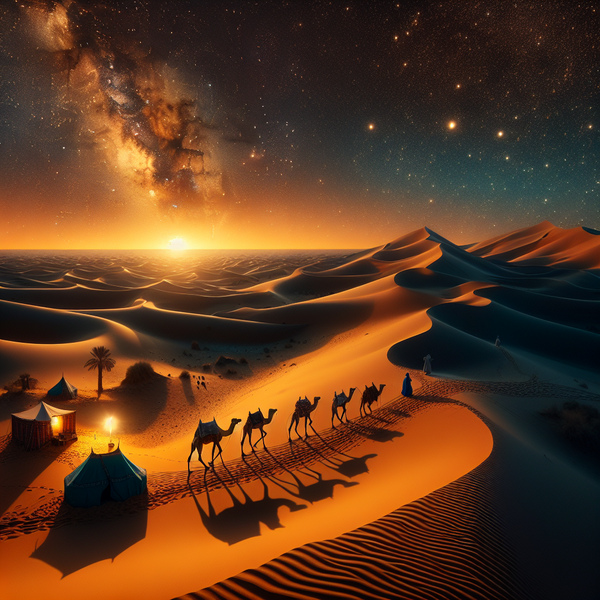
Imagine standing in a sea of golden dunes that stretch endlessly under a brilliant blue sky. The wind whispers across the sand, the horizon shimmers, and the quiet vastness fills you with awe. The Sahara Desert is one of the most captivating destinations on Earth, but choosing when to go to the Sahara Desert can make the difference between a magical adventure and a challenging journey.
Understanding the Sahara Climate Before You Go
The Sahara is not just hot—it’s extreme. Temperatures can rise over 45°C during the day and drop below freezing at night. The desert’s dry air, intense sunlight, and arid winds shape every traveler’s experience. Knowing the best months to visit the Sahara Desert helps you plan safely and comfortably.
Typically, the Sahara has two main seasons: a scorching summer and a milder winter. Rainfall is rare, but when it happens, it can briefly transform the desert into a surreal landscape of blooming colors.
Best Months to Visit the Sahara Desert for Comfort and Beauty
The ideal time to explore the Sahara is during the cooler months between late autumn and early spring. These months combine pleasant temperatures, clear skies, and comfortable nights under the stars.
Visiting in Autumn
Autumn, especially October and November, offers balanced temperatures. Days are warm but not stifling, while nights are cool enough for cozy campfires. This period is ideal for long camel treks, photography, and cultural interactions with local Berber communities.
Exploring the Desert in Winter
Winter is the most comfortable time for most travelers. Daytime temperatures stay around 20–25°C, making hiking and dune exploration easy. Nights get cold—sometimes close to 0°C—so packing warm clothing is essential. The crisp air and bright constellations make sleeping in desert camps an unforgettable experience.
Springtime Adventures
By March and April, desert life starts to become more active. Flowers bloom briefly, and wildlife like fennec foxes and desert birds become more visible. However, occasional sandstorms may occur as winds pick up.
When to Avoid Traveling to the Sahara Desert
While the Sahara calls to adventurers all year long, summer can be dangerously hot. Between May and August, temperatures can exceed 50°C in some areas. Even mornings and evenings feel oven-like, making physical activity risky.
Sandstorms are more frequent during these months, and dehydration can occur quickly. Local tours are limited, and camps may close for safety reasons. Unless you’re a very experienced traveler accustomed to extreme heat, it’s best to avoid this period.
Transition Periods: September and April
These months can be unpredictable. Some days feel pleasant, while others are already too warm. If you travel during these times, plan short daytrips and schedule outdoor activities early in the morning.
Best Months for Cultural Festivals and Local Experiences
The Sahara is not just about landscapes—it’s also about people. Planning your trip around cultural events lets you connect with ancient traditions and desert music.
Nomadic Festivals
During winter and early spring, desert communities sometimes host gatherings celebrating nomadic culture. You might witness camel races, traditional dances, and poetic storytelling. These intimate events showcase desert hospitality and resilience.
Music and Art in the Dunes
Some regions, like those near the Moroccan Sahara, hold small music festivals blending African rhythms, desert blues, and traditional instruments. The atmosphere feels magical against the backdrop of starlit dunes.
How Weather Affects Desert Activities
Every season in the Sahara changes what you can comfortably do. The best months to go to the Sahara Desert depend on whether your priority is exploration, photography, or cultural immersion.
- Photography: Winter offers clear visibility and soft light, perfect for capturing sand patterns and sunsets.
- Camel trekking: Autumn and spring are ideal for multi-day journeys without overheating.
- Stargazing: Cold nights provide exceptional visibility of the Milky Way.
- Wildlife observation: Spring is best, as small desert animals become more active.
Some travelers prefer the winter’s calm beauty, while others love the energy and colors of spring. There’s no single perfect answer—just the season that best matches your interests.
Packing Tips Based on the Best Period to Visit
Knowing when to go to the Sahara Desert also means knowing what to pack. Desert weather changes fast, even within a single day.
- Layered Clothing: Lightweight shirts for the day, warmer layers for the cold nights.
- Sun Protection: Wide-brimmed hat, sunglasses, and high-SPF sunscreen are essential.
- Hydration: Reusable water bottles and electrolyte tablets to avoid dehydration.
- Footwear: Closed shoes for trekking and sandals for camp comfort.
- Scarf or Shawl: Protects from sun, sand, and wind.
With the right preparation, even the most remote dune becomes a cozy haven under the stars.
Practical Advice for Visiting During the Best Months
Choosing the perfect time doesn’t end with booking your trip. To make the most of your Sahara Desert adventure, timing and preparation go hand in hand.
Plan Early Morning and Late Afternoon Excursions
The light is breathtaking at sunrise and sunset, and temperatures are most pleasant then. Avoid midday exploration, even during cooler months.
Stay Hydrated and Respect the Environment
The desert’s ecosystem is fragile. Always carry enough water, and use refill stations to limit plastic waste. Leave only footprints behind.
Engage with Local Guides
Experienced guides know the desert’s rhythms and can adjust your itinerary if weather conditions shift. They also enrich your journey with stories and cultural insights.
Best Moments for Photography and Stargazing
If visual memories are your goal, the best months offer incredible photo opportunities. From late autumn through winter, skies are crystal clear with minimal humidity. Dune shadows at sunrise and sunset change colors from golden to deep orange, creating surreal compositions.
At night, the lack of light pollution lets you see thousands of stars. Cold nights may require warm clothing, but they gift you breathtaking cosmic views.
Conclusion: Choosing the Best Months for Your Dream Desert Experience
Ultimately, the best time to go to the Sahara Desert is between late autumn and early spring. These months balance temperature, light, and accessibility, ensuring safety and comfort.
If you prefer adventure and warmth, go in spring. If you desire peace, starry nights, and cozy campfires, winter is ideal. Whenever you choose to go, respect the desert’s power and beauty, and it will reward you with an unforgettable journey.