
Nestled high in the Yemeni mountains, Sana’a is a city that feels timeless — ancient architecture, spice-filled souks, and a unique atmosphere that charms every visitor. Planning when to go to Sana’a is essential, as its striking beauty and rich culture shine differently across the seasons. This complete travel guide will help you choose the ideal time to visit, what to expect from the weather, local festivities, and insider tips for an unforgettable experience.
When to Go to Sana’a: Understanding the Climate
Sana’a sits at an elevation of about 2,300 meters above sea level, which gives it a noticeably cooler temperature compared to much of Yemen. The climate is semi-arid, with mild days and cool nights. The year is broadly divided into dry and rainy periods, and knowing these phases helps travelers plan better.
The dry months are typically the most comfortable for sightseeing, when clear skies highlight the city’s striking skyline and ancient mud-brick houses. During the rainy period, short but intense showers can refresh the air and add a magical sheen to the traditional rooftops.
Best Time to Visit Sana’a for Ideal Weather
If you prefer pleasant temperatures for walking tours and photography, consider traveling during the dry intervals. Days are generally warm, while evenings might require a light jacket due to the altitude. The moderate weather allows visitors to enjoy Sana’a’s UNESCO-listed Old City without the fatigue of heat or humidity.
Outdoor activities like exploring hidden mosques, browsing souks, or sipping tea on a rooftop terrace are far more enjoyable in this climate window. Clarity in the air enhances views of the surrounding mountains, creating postcard-worthy moments.
When to Go to Sana’a for Cultural Festivals
Culture is at the heart of Sana’a’s identity, and timing your visit around local festivals adds deeper meaning to your journey. Traditional celebrations fill the streets with color, music, and dance. These occasions reflect Yemen’s hospitality and centuries-old customs, offering a rare chance to engage with locals.
During festival times, the city markets bloom with fresh produce, honey, silverware, and vivid textiles. If you enjoy immersive cultural experiences, plan your trip to coincide with these festivities. Just remember to book early — accommodations can fill up quickly during popular events.
When to Go to Sana’a for Photography and Sightseeing
For photographers, the best lighting often comes during the cooler, drier months. The city’s unique architectural geometry — towering multi-story houses with white gypsum patterns — looks especially striking under bright sunlight. Early mornings and late afternoons provide the perfect glow for capturing the city’s authentic charm.
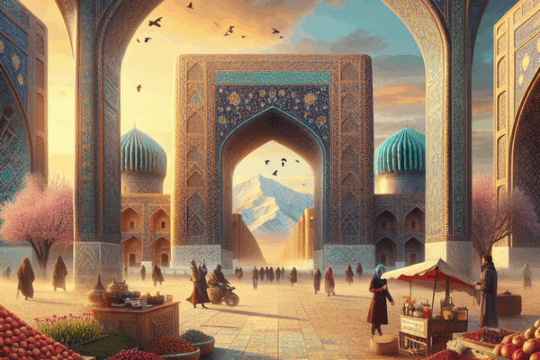
Sightseeing during these periods allows you to explore landmarks like the Great Mosque of Sana’a or the bustling Bab al-Yemen gate without large crowds. The fresher air and soft light also highlight the surrounding highland scenery, making every angle a visual delight.
When to Go to Sana’a for Outdoor Adventures
Besides history and architecture, Sana’a offers nearby mountain trails and valleys that call to adventure seekers. The dry season provides safer paths for trekking, with minimal mud and stable terrain. Whether it’s a day hike around Al Mahwit or exploring ancient mountain villages, the landscapes are at their most inviting.
The clear skies make it ideal for panoramic photography, and the reduced humidity enhances the crispness of air views. Always remember to bring sturdy shoes, water, and a wide-brimmed hat, as daytime sun can still be strong despite the altitude’s cooler feel.
When to Go to Sana’a on a Budget
For travelers aiming to maximize value, the shoulder season can be a smart choice. During these quieter times, lodgings and tours may offer lower rates, and bargaining power in local markets increases. The city remains enchanting but with fewer crowds, giving visitors more space to explore at their own pace.
This period allows budget-conscious travelers to experience the best of Sana’a — from street food delights to handicraft shopping — without compromising comfort or authenticity. A well-timed trip can stretch your travel funds further while still offering memorable experiences.
When to Go to Sana’a for a Peaceful Retreat
If tranquility and introspection are priorities, consider visiting when tourist numbers drop. These moments reveal Sana’a’s soulful side: misty mornings, calm streets, and locals greeting you with genuine curiosity. The city’s architectural beauty and mountain backdrop take on an almost meditative quality during these serene times.
Enjoy quiet rooftop breakfasts, less-crowded museums, and warmly paced conversations at tea houses. It’s in these peaceful pauses that the city’s deep spirit becomes most apparent.
When to Go to Sana’a for Culinary Discoveries
Food lovers will delight in discovering Sana’a’s cuisine throughout the year. However, certain seasons bring particularly fresh ingredients and lively market scenes. Cooler months make it perfect to savor hearty traditional meals, from saltah and fahsa to fragrant breads straight from stone ovens.
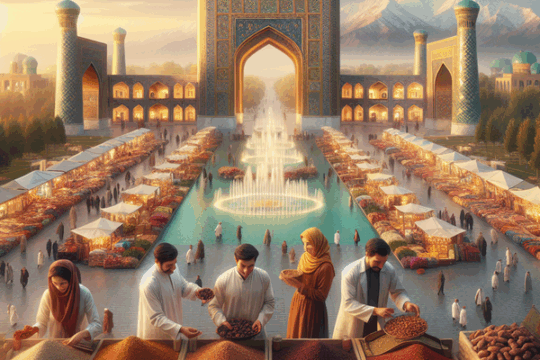
Exploring markets like the central souk uncovers spicy aromas and colorful food displays. You can sample warm honey from the Yemen highlands and freshly brewed coffee, which has been part of Sana’a’s story for centuries. Eating here is as much about culture as flavor.
When to Go to Sana’a for Local Events and Traditions
Throughout the year, Sana’a celebrates various community events that showcase authentic Yemeni life. From wedding parades echoing through historic alleys to folk music gatherings, these occasions highlight the city’s vibrant tradition. Joining them offers a rich perspective beyond sightseeing.
Even everyday life feels festive — from calligraphers crafting verses on shop windows to artisans tracing patterns on silver jewelry. The best time to witness such daily artistry is when you wander without rush, open to spontaneity.
When to Go to Sana’a for Shopping and Markets
Shopping enthusiasts will find Sana’a a treasure trove. The souks remain lively year-round, but during the cooler months, browsing becomes much more comfortable. Early mornings are perfect for discovering antiques, spices, and woven fabrics without the bustle of midday crowds.
Whether you’re looking for authentic jambiyas, copperware, or handmade rugs, the market atmosphere reflects an ancient yet living culture. Always negotiate prices respectfully — it’s part of the experience and a way to connect with local merchants.
When to Go to Sana’a for Unique Local Experiences
To truly understand when to go to Sana’a, it’s important to align the timing with your interests. Maybe you want to attend a traditional coffee ceremony, witness rooftop kite flying, or take part in the city’s daily rhythm of prayer calls and market rushes. Each season offers something distinct to observe.
From morning bazaars filled with laughter to twilight gatherings in narrow lanes, every moment in Sana’a tells a story. Choose the time that echoes with the type of experience you seek — adventure, spirituality, or pure immersion in local life.
Final Tips on When to Go to Sana’a
Before deciding when to go to Sana’a, think about what kind of experience you wish to have. Those seeking cultural depth often choose seasons rich with festivals. Travelers who aim for quiet introspection or photography favor the clear, crisp months.
Regardless of timing, always prepare for varying temperatures between day and night, stay hydrated, and plan your city walks for morning or late afternoon. Sana’a’s timeless beauty rewards thoughtful travelers who adapt to its unique rhythm, making every journey feel special and personal.