Stepping into Samarkand feels like entering a living museum of ancient architecture, a city where every arch, dome, and mosaic whispers stories of Silk Road grandeur. For travelers who love art, history, and awe-inspiring monuments, Samarkand offers an unforgettable journey through time. Ready to explore what to see in Samarkand and uncover its architectural treasures? Let’s dive into this enchanting city where East meets West in timeless harmony.
Registan Square: The Heart of Samarkand’s Ancient Architecture
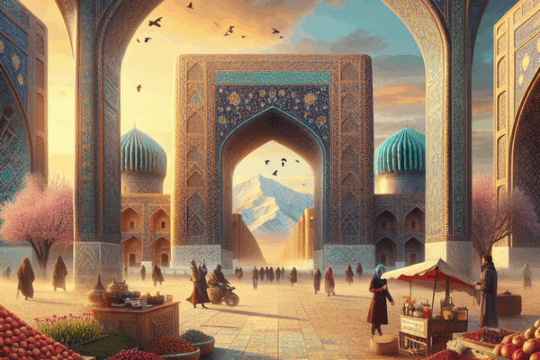
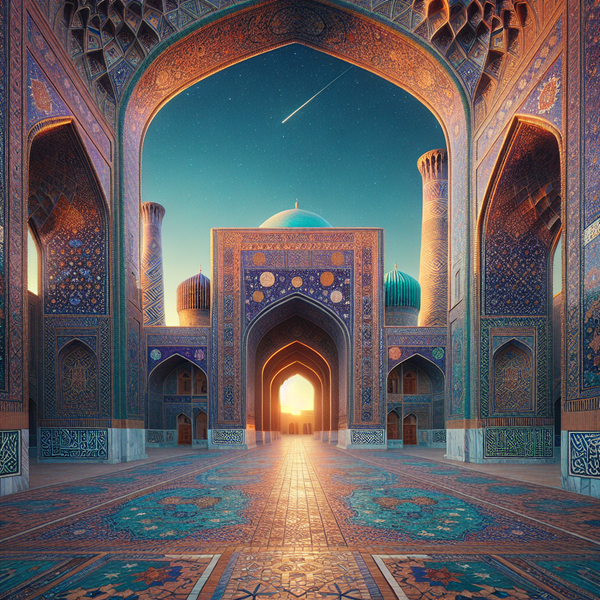
When people think of what to see in Samarkand, Registan Square is often the first image that comes to mind. This monumental plaza is flanked by three splendid madrasas covered with turquoise and blue tiles that shimmer in the sun. Each building showcases intricate Islamic artistry with grand arched entrances, delicate mosaics, and powerful symmetry. Walking through Registan feels like standing at the crossroads of ancient empires.
Architectural enthusiasts will appreciate details such as geometric motifs symbolizing unity, and the kaleidoscope of tilework that has made the complex one of the most iconic landmarks in Central Asia. The square also serves as a cultural hub, occasionally hosting music and light displays, adding modern vibrancy to its historical core.
Gur-e-Amir Mausoleum: The Majestic Resting Place
The Gur-e-Amir Mausoleum represents the epitome of ancient Samarkand architecture. With its stunning azure dome and elaborate tile decorations, it was conceived as the resting place of a great ruler and his descendants. As you enter, the luxuriant patterns of gold leaf and elegant calligraphy evoke both artistic mastery and spiritual reverence.
This site has a unique energy – a blend of peace and grandeur. Every element, from the intricate muqarnas to the ornate façade, reflects the craftsmanship that defined the architectural brilliance of the region during its height of prosperity. It’s an essential stop for anyone passionate about history and design.
Bibi-Khanym Mosque: The Jewel of Faith and Architecture
If you are searching for what to see in Samarkand beyond the Registan, the Bibi-Khanym Mosque deserves top billing. Once one of the largest mosques in the Islamic world, this remarkable building embodies ambition and devotion. Though time has worn some of its features, its towering portal and graceful domes still convey an undeniable sense of majesty.
When you walk through the courtyard, you’ll notice ancient patterns merging faith with geometry, each tile a reflection of spiritual sublimity. From its massive entrance gate to the quiet corners where sunlight dances on turquoise walls, the mosque remains a masterpiece of proportion and balance.
Shah-i-Zinda Necropolis: A Corridor of Eternal Beauty
Among all the things to see in Samarkand, the Shah-i-Zinda Necropolis stands out for its spiritual and aesthetic power. This ‘living king’ complex is an avenue of mausoleums, each displaying an astounding variety of decorative techniques. The blue-glazed tiles and delicate motifs create a mesmerizing sight, especially when sunlight hits the surfaces and produces an almost celestial glow.
Walking through its narrow passageways feels like traveling through a sacred gallery of art. The domes, arches, and patterns reflect faith and creativity, embodying the essence of Samarkand’s ancient architectural soul.
Ulugh Beg Observatory: Where Science Met Architecture
Samarkand’s heritage extends beyond religious and royal architecture. At the Ulugh Beg Observatory, innovation and design merge seamlessly. The observatory was one of the most advanced of its time, symbolizing the city’s role as a center of knowledge. The remnant structures of the observatory highlight precise alignment and geometric planning, testifying to the sophistication of medieval architecture in Central Asia.
Exploring this site offers visitors a glimpse into how science shaped architecture, showing that Samarkand’s ancient builders were also astronomers, thinkers, and dreamers, bridging heaven and earth with incredible precision.
Afrosiab Site and Museum: Tracing Ancient Samarkand’s Origins
The Afrosiab archaeological site provides a rare window into Samarkand’s early beginnings. The ruins reveal the layers of civilizations that flourished long before monumental mosques and madrasas were built. Within the adjacent museum, ancient wall paintings and artifacts tell stories of trade, culture, and innovation that predated the city’s golden periods.
This is an essential stop for travelers interested in understanding how Samarkand evolved architecturally and culturally. The foundations and preserved remnants here allow you to trace the origins of motifs and styles that later defined the city’s identity.
Siab Bazaar: Tradition Between Ancient Walls
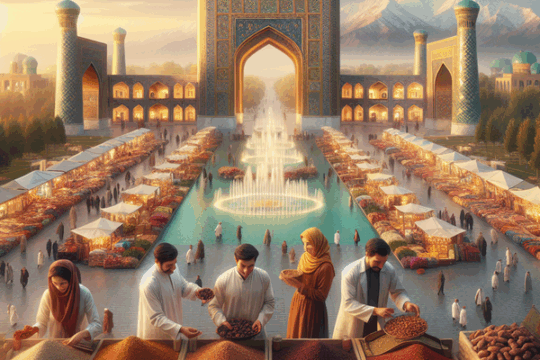
Situated near some of the most magnificent monuments, the Siab Bazaar adds a vibrant human touch to Samarkand’s architectural journey. Although it is primarily a marketplace, its layout and surroundings reflect the city’s historical urban design. Covered facades, ornate arches, and tiled corridors make it a living continuation of Samarkand’s built heritage.
While wandering through the stalls filled with spices, dried fruits, and silk, you’ll notice how the atmosphere seamlessly merges ancient and modern worlds. The architecture, though functional, retains echoes of the same artistry that beautifies the city’s mosques and madrasas.
Rukhobod Mausoleum: Simplicity and Symbolism
Not all ancient Samarkand architecture is elaborate. The Rukhobod Mausoleum offers a serene contrast with its simple and elegant structure. Its clean lines, modest size, and delicate brickwork reflect an early style emphasizing spirituality over ornamentation. The mausoleum’s aura of calm serves as a peaceful counterpart to Samarkand’s grander edifices.
This spot is perfect for those who appreciate understated beauty and want to experience the spiritual heritage embedded in the city’s architecture. It’s a reminder that complexity and simplicity can coexist harmoniously in ancient design.
Hazrat-Khizr Mosque: A Living Landmark
Perched on a hill overlooking the city, the Hazrat-Khizr Mosque offers stunning panoramic views of Samarkand’s skyline, blending scenic beauty with architectural splendor. This site is notable for its unique wooden columns, intricate ceilings, and colorful carvings that showcase traditional craftsmanship passed down through generations.
The mosque continues to be a place of worship, making it one of the few historical structures that remains active while retaining its original authenticity. From its elevated position, visitors can admire the harmony between ancient landmarks scattered across the cityscape.
Practical Tips for Exploring Samarkand’s Ancient Architecture
Best Time to Visit
The best time to explore Samarkand’s architectural wonders is during spring or autumn, when the weather is pleasant and the lighting enhances the beauty of the city’s mosaics and domes.
How to Get Around
- Walking tours help you soak in details at your own pace.
- Local taxis and guided tours offer comfort for larger itineraries.
- Renting a bike can also be a fun, eco-friendly option for exploring key sites.
What to Keep in Mind
- Dress modestly, especially when visiting mosques or religious sites.
- Carry water and sun protection, as some areas have limited shade.
- Take time to admire details – mosaics and inscriptions often hide rich symbolism.
Final Thoughts: A Timeless City of Stone and Spirit
Exploring what to see in Samarkand reveals more than just architectural marvels – it’s a journey into history, faith, and artistic genius. Every monument tells part of a story about humanity’s quest for beauty and meaning. Whether you stand in Registan Square’s grandeur or trace delicate tiles in Shah-i-Zinda, you feel connected to centuries of creativity that shaped the Silk Road.
For travelers who appreciate the allure of ancient architecture, Samarkand is not just a destination – it’s an experience, an open-air masterpiece waiting to be rediscovered with every step.