When people think of Andalusia, they often picture Seville’s orange-scented streets, passionate flamenco, and majestic Alcázar. But this enchanting region in southern Spain hides countless treasures beyond its capital. From ancient Moorish fortresses to whitewashed mountain villages and pristine beaches, Andalusia offers an endless array of sights waiting to be discovered. If you’re looking to go beyond Seville and uncover the authentic soul of southern Spain, here’s your essential guide to what to see in Andalusia beyond Seville.
Granada: The Majesty of the Alhambra and Albaicín
One of the most captivating cities in Andalusia, Granada embodies the essence of Moorish Spain. The city’s crown jewel, the Alhambra, offers intricate Islamic architecture and breathtaking views of the Sierra Nevada mountains. Wander through its ornate palaces, courtyards, and gardens, and you’ll feel transported to another world.
Beyond the Alhambra, explore the Albaicín, a maze of narrow cobblestone streets lined with whitewashed houses and hidden patios. The view from the Mirador de San Nicolás, especially at sunset, is pure magic. Granada’s rich culture, delicious tapas tradition, and youthful vibe make it a must-see stop on any Andalusian adventure.
Córdoba: The Mesmerizing Mezquita and Jewish Quarter
Córdoba was once the most important city in medieval Spain, and its architectural legacy still amazes today. The Mezquita-Catedral, a UNESCO World Heritage site, symbolizes centuries of coexistence between Moors and Christians. Its hypnotic arches and serene ambience are truly one-of-a-kind.
Stroll through the Judería, Córdoba’s old Jewish Quarter, where narrow streets and flower-filled patios create a peaceful charm. Don’t miss the Patios Festival if you visit in spring, when locals open their courtyard doors to show off dazzling floral displays. Córdoba effortlessly blends history, art, and beauty at every turn.
Ronda: A Dramatic Escape Above the Gorge
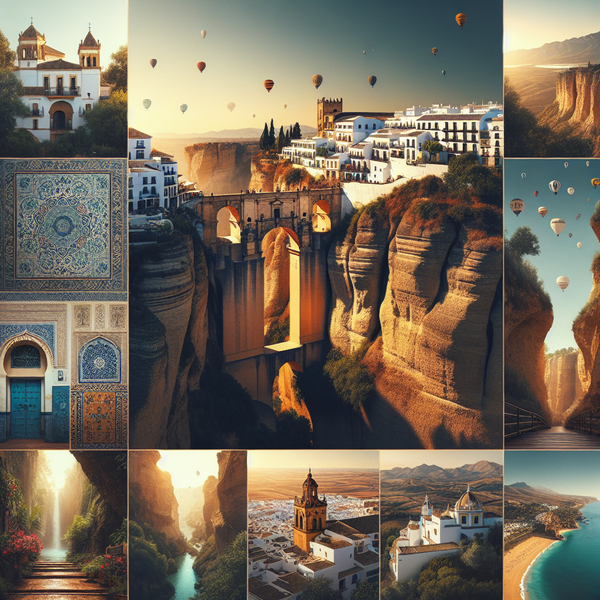
Ronda is one of Andalusia’s most photographed towns—and for good reason. Perched dramatically above the El Tajo Gorge, the town is divided by a deep canyon spanned by the spectacular Puente Nuevo bridge. The views here are absolutely unforgettable.
Explore the old Moorish quarter, the Plaza de Toros (one of Spain’s oldest bullrings), and the Casa del Rey Moro with its secret steps to the gorge. Ronda’s blend of adventure and romance makes it ideal for travelers seeking both tranquility and thrill.
Málaga: Art, Beaches, and Culinary Delights
Málaga, often overlooked as a beach destination, has reinvented itself as one of Andalusia’s cultural hotspots. Visit the Picasso Museum to honor the artist born here, or explore the contemporary art museums that have revitalized the city’s spirit. The Roman Theatre and the Alcazaba fortress stand as proud reminders of its layered past.
Relax at La Malagueta Beach or wander through the vibrant Mercado de Atarazanas to sample local delicacies like anchovies, olives, and sweet wines. Málaga’s lively energy, combined with its historical depth, makes it one of the most dynamic cities in southern Spain.
Cádiz: The Oldest City in Western Europe
Set on a narrow peninsula, Cádiz is a city of sea breezes, colorful facades, and fascinating history. Believed to be one of the oldest continuously inhabited cities in Western Europe, Cádiz boasts a beautifully preserved old town filled with winding alleys and sunny plazas. Climb the Torre Tavira for panoramic views, then stroll along the seafront promenade to La Caleta Beach.
The city is famous for its Carnival celebrations, seafood cuisine, and laid-back coastal lifestyle. Whether you’re tasting fried fish at a local bar or watching the sunset over the Atlantic, Cádiz offers a uniquely authentic Andalusian experience.
Jerez de la Frontera: Sherry, Horses, and Flamenco
Jerez de la Frontera is the proud heart of Andalusian traditions. It’s world-famous for its sherry wine, so a visit to one of the traditional bodegas is a must. Taste the different varieties and discover how centuries of expertise have refined this beloved drink.
Jerez is also the cradle of flamenco—visit a local tablao to feel the emotion of live music and dance. Don’t miss the Royal Andalusian School of Equestrian Art, where elegant horses perform dressage routines that merge power with grace.
Úbeda and Baeza: Renaissance Splendor in Olive Country
Nestled in the vast olive oil-producing region of Jaén, the twin towns of Úbeda and Baeza are UNESCO World Heritage treasures. Both are home to some of Spain’s most stunning Renaissance architecture, with grand palaces and tranquil squares that evoke the golden age of Andalusia.
In Úbeda, admire the striking Vázquez de Molina Square, while Baeza’s quiet streets and university atmosphere offer a slower, more reflective pace. These towns are ideal for travelers seeking a cultural and sensory escape far from the crowds.
Looking for effective travel marketing services? Get in touch.
Nerja: Caves, Cliffs, and Coastal Charm
Located east of Málaga, Nerja is a delightful seaside town that’s both picturesque and full of character. Its Balcón de Europa offers panoramic views over turquoise waters and rocky coves. The nearby Nerja Caves are a must-see, with massive chambers, prehistoric paintings, and dramatic stalactites.
Spend a few days exploring the local beaches, wandering through its old town lanes, or kayaking along the coastline. Nerja is perfect for travelers who crave a mix of relaxation and natural wonder.
Almería: From Desert Landscapes to Pristine Shores
Almería boasts some of Andalusia’s most diverse landscapes. Its iconic Cabo de Gata-Níjar Natural Park reveals untouched beaches, volcanic cliffs, and ideal snorkeling spots. It’s one of Spain’s best-kept secrets for eco-tourism and outdoor adventures.
Within the city itself, the grand Alcazaba fortress watches over a charming old town that mixes Moorish and Mediterranean styles. Visit Almería’s markets for fresh fish and local delicacies, and you’ll quickly fall in love with its authentic, off-the-beaten-path charm.
Doñana National Park: A Sanctuary for Nature Lovers
For wildlife enthusiasts, Doñana National Park offers unrivaled biodiversity. This UNESCO-listed wetland area is home to flamingos, Iberian lynxes, and dozens of migratory bird species. Visit with a guided jeep or horse tour to appreciate the park’s balance of dunes, lagoons, and forests.
Nearby, the village of El Rocío is famous for its annual religious pilgrimage, adding a cultural dimension to this natural paradise. Doñana perfectly showcases the quieter, untouched side of Andalusia.
Setenil de las Bodegas and the White Villages Route
The White Villages of Andalusia (Pueblos Blancos) are a series of small, postcard-perfect towns nestled in the mountains of Cádiz and Málaga provinces. Among them, Setenil de las Bodegas stands out for its houses built directly into rock cliffs—a true architectural wonder.
Other favorites include Grazalema, Zahara de la Sierra, and Arcos de la Frontera. Driving or hiking through these villages is one of the best ways to experience Andalusia’s authentic charm, scenic views, and friendly local hospitality.
Conclusion: The True Essence of Andalusia
Exploring Andalusia beyond Seville reveals a world of diversity—mountains, deserts, beaches, and cities that pulse with life. Every town tells a story, every landscape holds a secret. Whether you’re drawn to art, history, cuisine, or nature, Andalusia’s hidden gems enrich your journey through southern Spain.
So pack your bags and get ready to wander off the beaten path. The true Andalusia is waiting just beyond Seville’s horizon—colorful, passionate, and unforgettable.