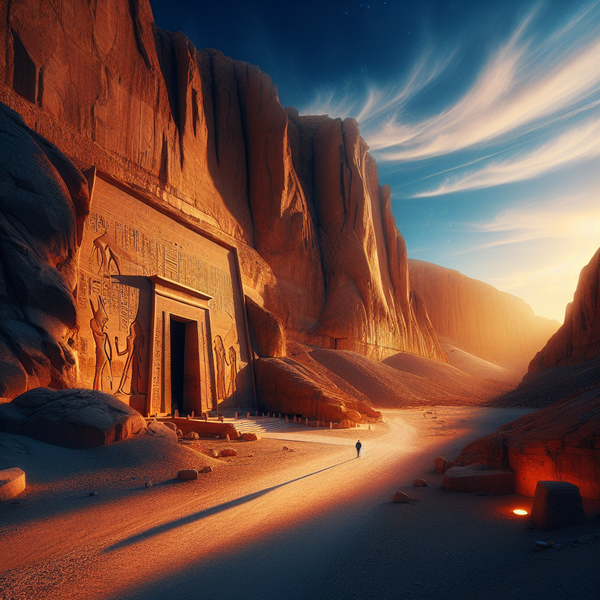
There are few experiences in the world quite like standing before the ancient tombs carved deep into the desert cliffs of Luxor’s Valley of the Kings. The golden hues of the Theban hills, the sense of mystery that permeates the air, and the silent whisper of history make this place more than just an archaeological site — it’s a journey back to the heartbeat of Ancient Egypt.
Exploring What to See in Luxor: Valley of the Kings
The Valley of the Kings is one of Egypt’s most remarkable archaeological wonders. Located on Luxor’s West Bank, it served as the final resting place for pharaohs and powerful nobles of the New Kingdom. Visitors come here not only to see tombs but to experience the grandeur and spirituality that defined ancient Egyptian civilization.
Every pathway leads to something magnificent — hieroglyphic-covered chambers, colorful murals, and awe-inspiring tombs that reveal stories of eternity and kingship. The Valley of the Kings holds an almost magnetic allure, drawing travelers who crave both adventure and understanding.
The History Behind the Valley of the Kings
The decision to bury pharaohs in hidden desert tombs, rather than pyramids, marked a major shift in Egyptian burial practices. The goal was to protect royal treasures and ensure each ruler’s passage to the afterlife. This valley became the sacred heart of royal funerary architecture, chosen for its isolation and geological composition, which allowed for deep-cut tombs within the limestone cliffs.
Luxor’s Valley of the Kings embodies the ancient Egyptians’ deep belief in eternal life and divine order. Each tomb acts as a spiritual map, decorated with texts and symbols guiding the deceased pharaoh through the underworld to reach immortality.
Main Tombs to Visit in Luxor’s Valley of the Kings
When deciding what to see in Luxor: Valley of the Kings, it’s important to plan your visit strategically. Not every tomb is open at the same time, as authorities rotate access to preserve artworks and manage humidity levels caused by visitors.
Tomb of Tutankhamun
The most famous tomb, that of Tutankhamun, dazzles visitors even though it’s smaller than many others. Its discovery was one of the most significant archaeological moments, as it revealed treasures untouched for centuries. Today, visitors can view the young pharaoh’s mummy and imagine the splendor that once filled these chambers.
Tomb of Ramses VI
This tomb stands out for its magnificent ceiling, covered in detailed astronomical scenes representing the heavens. The colors and symmetry remain breathtaking, showing the precision of ancient artists and craftsmen. Walking through this tomb is like stepping into an illustrated manuscript of celestial mythology.
Tomb of Seti I
Known as one of the longest and most beautifully decorated tombs, the Tomb of Seti I displays outstanding reliefs and complex scenes from the Book of the Dead. Every chamber immerses visitors in a journey through time and belief, offering a deeper understanding of Egyptian spirituality and funerary art.
The Valley’s Unique Atmosphere and Surroundings
The first thing travelers notice in Luxor’s Valley of the Kings is the silence. The wind sweeps gently through narrow wadis, and the distant cliffs rise like sentinels guarding royal secrets. The atmosphere is meditative, filled with awe and reverence for ancient craftsmanship.
Amid the arid terrain, visitors often feel a connection to the spiritual world that inspired these grand burial complexes. Each golden beam of sunlight on the limestone enhances the allure, reminding visitors of Egypt’s sacred relationship with the sun god Ra.
Ancient Art and Symbolism in the Tombs
The artwork inside the tombs plays a vital role in understanding Egyptian philosophy. Every image and color served a symbolic purpose — guiding the pharaoh’s soul toward the divine and depicting the balance between life, death, and rebirth. Vivid blues, deep reds, and bright yellows still decorate the walls today, revealing the mastery of pigments and the resilience of time.
Scenes from the Book of Gates and Book of Caverns adorn many corridors, showing the grounds of the afterlife in astonishing detail. The precision of these ancient artists translates into one of the most mesmerizing artistic collections in human history.
Practical Tips for Visiting the Valley of the Kings
To make the most of your visit, arrive early in the morning when temperatures are cooler and crowds smaller. Comfortable walking shoes, water, and sunscreen are essential for exploring under the desert sun. Cameras are allowed in specific areas, but flash photography is prohibited to preserve ancient pigments.
It’s also advisable to hire a licensed guide. Guides provide context and historical insights that bring the tombs to life, making the experience far more enriching and educational.
- Wear light cotton clothing and a hat
- Carry small change for tips and services
- Purchase a multi-tomb ticket to access various burial chambers
- Respect the site’s cultural and spiritual significance
How to Reach Luxor and the Valley of the Kings
Luxor is accessible by plane, train, bus, or even Nile cruise, depending on your travel preferences. The most scenic route involves sailing down the Nile — a timeless journey that allows you to witness the lush contrast between riverbank greenery and the arid beauty of the desert beyond.
Once in Luxor, visitors can cross the Nile to the West Bank using local ferries or private tours. From there, the Valley of the Kings is only a short drive through a landscape that feels both historic and mystical.
Looking for effective travel marketing services? Get in touch.
Combine Your Visit with Other Luxor Highlights
No trip to Luxor is complete without visiting the nearby treasures that complement the Valley of the Kings. Together, they form a comprehensive picture of ancient life and belief.
- Temple of Hatshepsut: A breathtaking mortuary temple built into the cliffs, symbolizing architectural innovation and female leadership.
- Valley of the Queens: The resting place of royal wives and children, equally rich in hieroglyphic artistry.
- Medinet Habu: The vast mortuary temple of Ramses III, featuring detailed reliefs of ancient battles and ceremonies.
- Colossi of Memnon: Two massive statues guarding the entrance to the West Bank, offering stunning photo opportunities at sunrise.
Exploring these sites in combination ensures a well-rounded experience, revealing ancient Egypt’s devotion to art, politics, and divinity.
Best Time to Visit Luxor’s Valley of the Kings
Luxor enjoys a desert climate, making the winter months the ideal time to explore the Valley of the Kings. Cooler temperatures make it more comfortable to walk between tombs, while clear skies ensure striking photographs. If you prefer quieter atmospheres, traveling early in the morning or late afternoon helps you experience the valley’s tranquility.
Regardless of when you visit, the Valley’s beauty remains constant — a place where art, religion, and eternity meet under the Egyptian sun.
Preservation and the Future of the Valley
Preserving the Valley of the Kings is a constant challenge due to environmental conditions, tourism, and natural erosion. Conservation teams use advanced technology to monitor humidity and protect pigments from fading. Visitors play a crucial role in this effort by following instructions and respecting restricted areas.
Thanks to these preservation projects, the Valley remains open to travelers who wish to admire its splendor while ensuring future generations can do the same.
Final Thoughts: Why the Valley of the Kings is a Must-See
Luxor’s Valley of the Kings is not just an archaeological site — it’s a bridge to ancient wisdom and immortal art. Whether you’re fascinated by mythology, architecture, or cultural heritage, this valley offers an experience beyond imagination. Facing those painted corridors, you not only witness history; you step inside it.
If there’s one destination that captures the spirit of Egypt’s eternal legacy, it’s here, deep in the rocky heart of Luxor — where kings prepared for eternity, and modern travelers find their own sense of wonder.