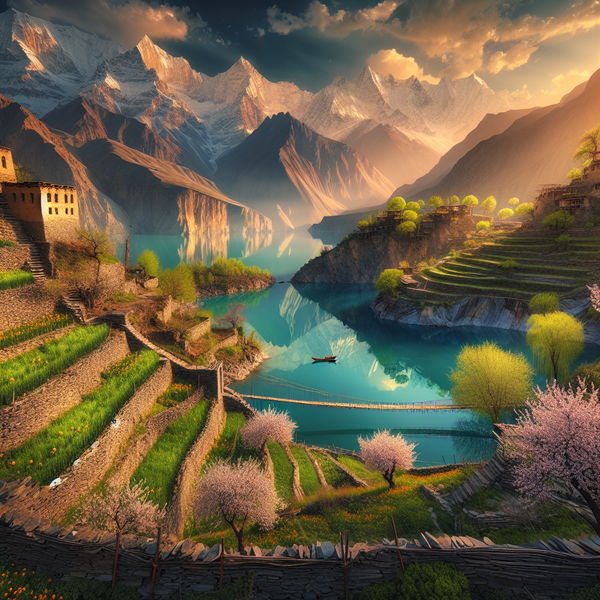
Tucked away in the northern corner of Pakistan, the Hunza Valley is more than just a destination—it’s a dreamscape of snow-covered peaks, crystal lakes, and centuries-old cultures that will leave you speechless. This mountain paradise, surrounded by the mighty Karakoram Range, captures the imagination of travelers seeking serenity, adventure, and breathtaking natural beauty. Whether you are an avid trekker, culture explorer, or simply someone chasing spectacular views, Hunza has a story waiting for you to discover.
Exploring Karimabad: The Heart of Hunza Valley
Karimabad is often referred to as the jewel of the Hunza Valley. Nestled against the backdrop of Rakaposhi and Ultar Sar, this charming town is a hub for travelers and a gateway to local history. Its narrow pathways, lined with small cafes and traditional stone houses, create an ambiance that feels both timeless and alive.
One of the highlights of Karimabad is its incredible view. From almost every corner, you can admire majestic peaks shining under the sun. The local markets are equally fascinating, offering handmade jewelry, woollen garments, and dried fruits that reflect the valley’s craftsmanship and hospitality.
Baltit Fort: Witness of Centuries Past
Perched above Karimabad, Baltit Fort stands as an architectural masterpiece and a window into Hunza’s royal heritage. Built with a unique blend of Tibetan and Ladakhi influences, the fort once served as the residence of the Mirs (local rulers) of Hunza. From its wooden balconies, the panoramic views are nothing short of mesmerizing, offering angles that capture the entire valley and the peaks beyond.
A guided exploration through its corridors reveals the stories of dynasties, battles, and cultural exchanges that shaped Hunza’s identity. Visitors can also admire its well-preserved interiors, featuring local art, antique furniture, and artifacts that narrate centuries of lived history.
Altit Fort: A Living Cultural Heritage
Just a few kilometers from Baltit Fort lies Altit Fort, even older and equally enchanting. This fortress has undergone careful restoration, turning it into a vibrant cultural center that connects visitors with Hunza’s deep-rooted traditions. The surrounding village of Altit is beautifully maintained, with cobbled streets, apricot orchards, and a women-run café that adds a warm, authentic touch.
Altit Fort represents more than just a monument; it symbolizes resilience. Walking through its intricate wooden structures, you can almost feel the centuries of artisanship preserved in its walls.
Eagle’s Nest: Sunrise Among the Peaks
For those who chase golden horizons, Eagle’s Nest is a must-see viewpoint in Hunza Valley. Located on Duikar Hill, the spot offers one of the most breathtaking panoramas in the Karakoram range. Watching the sunrise here feels almost surreal—the first rays illuminate peaks like Rakaposhi, Ultar Sar, Ladyfinger, and Golden Peak in a dazzling play of light and shadow.
It’s an ideal place not just for photography but for pure contemplation. Many travelers stay overnight at nearby guesthouses to experience both sunrise and sunset magic from this location.
Passu Cones: Nature’s Architectural Wonders
Heading towards Upper Hunza, the Passu Cones are among the most recognizable landmarks of the valley. These sharp, pyramid-shaped peaks rise dramatically from the landscape, forming one of the most photographed sceneries in Pakistan. The village of Passu, quietly nestled beneath these towering giants, offers cozy lodges and the warm hospitality of locals.
Don’t miss the nearby Passu Glacier and Passu Suspension Bridge, which guarantee both adrenaline and awe. Crossing the narrow swinging bridge, suspended high above the Hunza River, is a thrilling experience that travelers never forget.
Attabad Lake: The Turquoise Miracle
Few places in the world can rival the enchanting beauty of Attabad Lake. Formed naturally after a landslide, this turquoise gem stretches along the Hunza River, shimmering under sunlight like a sapphire. Today, it’s a major attraction offering boating, jet skiing, and lakeside relaxation among surreal mountain views.
Tourists can take colorful wooden boats across the lake, capturing reflections of the surrounding cliffs. The journey itself feels like a voyage through a landscape painting brought to life. Several boutique hotels and cafes have sprung up nearby, making it a perfect stop for both relaxation and exploration.
Hussaini Suspension Bridge: The Adventure Challenge
Not far from Passu lies the world-famous Hussaini Suspension Bridge, often dubbed one of the most dangerous bridges globally. Crossing it requires courage, balance, and a sense of adventure. Wooden planks spaced widely apart swing gently with the gusts of wind over the river below, creating an exhilarating, heart-pounding experience.
However, many find it less dangerous and more rewarding than expected, especially for its unmatched views of the Hunza River and surrounding peaks. Nearby villages welcome travelers with genuine smiles and traditional food that perfectly complements the thrill of exploration.
Looking for effective travel marketing services? Get in touch.
Hunza’s Glaciers: Where Ice Meets Blue Sky
Hunza Valley is surrounded by some of the most accessible glaciers in the Karakoram, each contributing to its distinct charm. The Borith Glacier and Passu Glacier are two of the most popular. Borith Lake, situated nearby, offers a perfect resting spot for trekkers, reflecting the surrounding snow peaks in calm, mirror-like waters.
Adventurers can enjoy easy to moderate treks around these glaciers, encountering streams, mountain wildlife, and views that redefine the concept of wilderness. The air here is pure, crisp, and filled with an echoing silence that feels beautifully infinite.
Khunjerab Pass: Gateway to the Roof of the World
At the northern end of the Hunza Valley lies the iconic Khunjerab Pass, the highest paved border crossing between Pakistan and China. Rising above 4,600 meters, it’s part of the historic Karakoram Highway. The pass offers otherworldly scenery — grasslands, snowfields, and distant cliffs fading into the clouds.
For many travelers, visiting Khunjerab is symbolic, marking a journey on one of the world’s most dramatic mountain routes. It’s also home to the Khunjerab National Park, where one can sometimes spot rare Himalayan ibex and snow leopards roaming freely in their natural habitat.
Local Culture and Cuisine in Hunza Valley
Beyond its natural landscapes, Hunza captivates visitors with its vibrant culture and warm-hearted people. The local population, primarily Burusho and Wakhi, take immense pride in their heritage. Visitors often notice something remarkable—locals are known for their longevity and healthy lifestyles, largely attributed to their diet and relaxed way of life.
Tasting Hunza’s cuisine is a journey in itself. Must-try dishes include Chapshuro (meat pie), Harissa (a wheat and meat delicacy), and Hunza apricot juice. Traditional teas flavored with apricot kernels make for the perfect companion after exploring long mountain trails.
Best Time to Visit Hunza Valley
The valley changes its colors with every season. Spring paints the orchards in pastel shades of pink and white, while summer offers the best trekking conditions. Autumn transforms Hunza into a golden paradise, with leaves glowing in orange and red hues against snow-capped backgrounds. Winter, though colder, is equally charming for those who enjoy peace and solitude.
Each period has its own charm, making Hunza an all-year-round destination for those who love nature in its purest forms.
Travel Tips for Visiting Hunza Valley
Getting There
The journey to Hunza is part of the adventure. Most travelers start from Gilgit, a scenic town connected by the Karakoram Highway. From there, it’s an enchanting drive through winding roads and dramatic cliffs, with countless opportunities to stop for breathtaking photos.
Where to Stay
Accommodation ranges from luxury eco-lodges to family-run guesthouses. Many are set in locations that offer panoramic views, giving visitors the sensation of living among the mountains themselves.
Local Etiquette
Hunza’s community is open and kind, but respecting local values is essential. Dress modestly, seek permission before photographing people, and engage with curiosity and kindness. The locals will often greet you with tea and stories that enrich your trip beyond measure.
Why Hunza Valley Should Top Your Travel List
The Hunza Valley isn’t just a tourist destination—it’s a spiritual experience. The sense of peace, the vast mountains, the smiles of its people—all combine to create a connection that lingers long after you leave. Every trail, every glance, and every shared meal tells a deeper story of harmony between humans and nature.
If your heart seeks a blend of adventure, serenity, and authenticity, Hunza is where your journey should lead next.
Looking for effective travel marketing services? Get in touch.