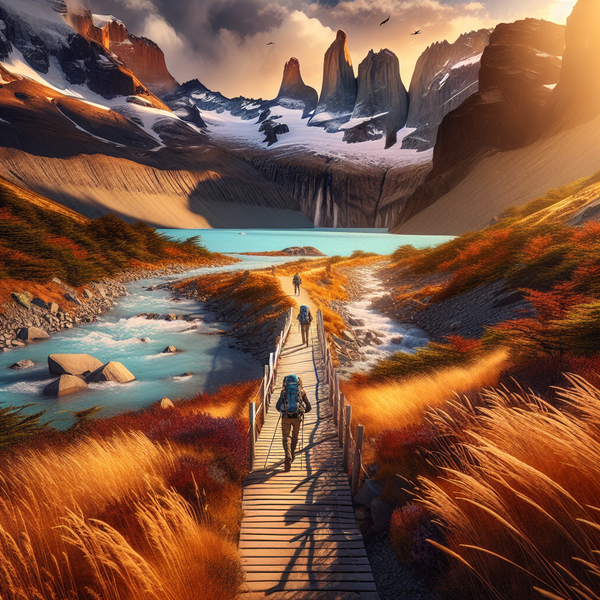
Patagonia is a dream destination for trekkers who crave vast wilderness, dramatic glaciers, and windswept trails. But planning your trip to this southern frontier involves one key question: when is the best time to go to Patagonia? Because the region’s weather can change in minutes and seasons shape every trail experience, timing your journey right can make all the difference between a good hike and an unforgettable adventure.
Understanding Patagonia’s Unique Climate for Trekking
Patagonia stretches across Argentina and Chile, covering an immense territory divided by the Andes. Its weather is famously unpredictable, which makes knowing the best trekking season crucial. The climate varies from arid steppes to glacial fjords, and the farther south you go, the windier and colder it gets.
Generally, Patagonia experiences four distinct seasons, but note that they are opposite to those in the Northern Hemisphere. Summer in Patagonia runs from December to February, offering the longest daylight hours and more stable conditions for trekkers.
Patagonia in Summer: The Peak Trekking Season
Summer is considered the best time to go to Patagonia for most hikers. The extended daylight—up to 17 hours in some areas—means you can enjoy long hikes and fully appreciate iconic routes like the W Trek in Torres del Paine or the Laguna de los Tres trail in El Chaltén.
The weather during this season is generally mild, with temperatures ranging from 41°F to 68°F (5°C to 20°C). Yet, expect strong winds and occasional rain showers. The trade-off for better weather is that the trails and lodges are busier, so booking in advance is essential.
Patagonia in Autumn: Tranquil Trails and Fiery Colors
If you prefer fewer crowds and mesmerizing scenery, autumn is another great season for trekking in Patagonia. From March to May, the foliage transforms into a stunning palette of crimson, orange, and gold. This is especially magical around the Fitz Roy range and in Tierra del Fuego.
While daytime temperatures are cooler, the crisp air and changing colors create a peaceful hiking atmosphere. Trails are less busy, and accommodation prices may drop slightly. However, some lodges and services begin to close toward the end of May, so plan carefully.
Springtime in Patagonia: Wild Blooms and Unpredictable Weather
Spring in Patagonia, from September to November, marks the awakening of nature. Snow begins to melt, rivers regain their flow, and the landscape bursts with fresh greenery and bright wildflowers. Trekkers during this time can experience a unique contrast—lingering snow on peaks and new life in the valleys.
However, the Patagonia trekking season is still ramping up in spring. Some trails may remain partially closed due to weather conditions, and temperatures can be unpredictable. Yet, for adventure seekers and photographers, this shoulder season offers an exceptional reward.
Winter in Patagonia: For the Bold and Prepared
Winter lasts from June through August and transforms Patagonia into a frozen wonderland. Only experienced trekkers with proper gear and logistics should venture at this time. The days are shorter, and some remote areas become inaccessible due to snow.
Still, winter rewards those who embrace solitude and serenity. You’ll find fewer tourists, crystal-clear skies, and breathtaking views of snow-covered peaks. Skiing, snowshoeing, and wildlife spotting—like pumas and condors—become the highlights of the season.
Looking for effective travel marketing services? Get in touch.
Deciding the Best Time to Go to Patagonia Based on Your Interests
Knowing the best time to trek Patagonia also depends on the experience you’re seeking. Each season offers something distinct, and there’s no universal “perfect” month. Instead, it comes down to your preferences for adventure, comfort, and scenery.
For the Classic Trekker
Choose summer if your goal is to complete the most famous trails without worrying much about accessibility. Expect well-marked routes, more facilities, and social encounters with trekkers from around the world.
For the Serenity Seeker
Patagonia in autumn delivers peace, beauty, and fewer crowds. Photographers and nature lovers will find this a magical time, especially in iconic parks like Los Glaciares or Torres del Paine.
For the Adventurous Explorer
Spring promises adventure with unpredictable weather and emerging flora. You might need flexibility, but the sense of discovery and renewal makes it worthwhile.
For the Courageous and Experienced
Winter is not for everyone, but if you’ve trekked in alpine conditions before and crave untouched trails, Patagonia’s frozen heart will welcome you.
What to Expect from Patagonia’s Weather During the Trekking Season
Patagonian weather defies prediction. You might encounter sunshine, rain, and gusts in a single afternoon. Still, understanding typical conditions can help you pack and plan better for your Patagonia trekking trip.
- Wind: Patagonia’s winds are legendary, especially in summer. Lightweight trekking poles and a windproof jacket are essential.
- Temperature: Average daily highs range from 41°F to 68°F, depending on the area and season.
- Rain: Western Patagonia, on the Chilean side, is wetter, while the Argentine steppe is drier and sunnier.
Always pack layers—thermal base, fleece mid-layer, and waterproof shell—so you can adapt easily to changing conditions on the trail.
Packing Tips for the Patagonia Trekking Season
Preparing for Patagonia’s diverse conditions requires smart packing. A well-chosen gear list ensures you stay comfortable and safe during your adventure. Here’s what you shouldn’t skip:
- Weatherproof Clothing: A reliable windbreaker, warm layers, and waterproof pants are a must.
- Hiking Boots: Bring broken-in, waterproof boots with ankle support.
- Daypack: Ideal for carrying essentials on daily hikes.
- Sun Protection: Even in cool weather, UV rays are intense. Pack sunglasses and sunscreen.
- Hydration System: Streams are often drinkable but use a filter just in case.
Best National Parks to Visit During the Trekking Season
Patagonia’s trekking routes wind through some of the most stunning landscapes on Earth. Knowing where to go depending on the season is key to maximizing your adventure.
- Torres del Paine (Chile): Iconic granite towers, turquoise lakes, and the famous W Circuit attract visitors mainly in summer and autumn.
- Los Glaciares National Park (Argentina): Home to Mount Fitz Roy and Perito Moreno Glacier, this park is ideal in late spring and summer.
- Tierra del Fuego National Park: A hidden gem near Ushuaia that’s accessible from late spring to early autumn.
Local Festivals and Events During Patagonia’s Trekking Season
Experiencing local culture adds depth to your trekking trip. Patagonia hosts seasonal events celebrating its history, nature, and people:
- Summer: Outdoor festivals and mountaineering gatherings come alive in Argentinian Patagonia.
- Autumn: Regional food fairs offer local delicacies like lamb, berries, and artisanal chocolates.
- Spring: Eco-tourism events focus on wildlife awareness and flower blooming.
Final Thoughts: Choose the Right Patagonia Season for You
Ultimately, the best trekking season in Patagonia depends on your expectations. If you value comfort, go in summer. If solitude matters more, autumn or spring may suit you better. And if challenges fuel your passion, winter will test your limits.
No matter when you go, Patagonia’s raw beauty, vast wilderness, and ever-changing skies will take your breath away. With the right timing and preparation, your journey here won’t just be another hike—it will be an experience carved into your memory forever.