
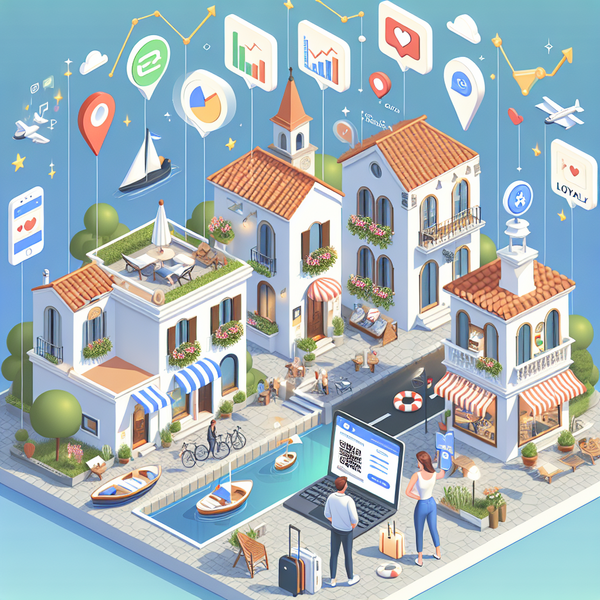
Running a small tourism business is exciting, but attracting travelers in a competitive market can be a real challenge. To stand out, you need strong, smart, and creative marketing strategies that speak directly to your audience. The good news? With the right approach, even small businesses can build a loyal base of travelers eager to book their next adventure.
Digital marketing strategies for small tourism businesses
Digital marketing is the heart of visibility for small tourism businesses. Building an online presence helps attract and convert potential visitors looking for unique experiences. A well-optimized website, combined with engaging content and smart advertising, makes all the difference.
Build a strong website and blog
Having an SEO-optimized website is essential. Include updated information, inspiring visuals, and easy booking options. Adding a blog helps you share travel guides, local stories, and useful tips. This drives organic traffic while positioning your brand as an expert in the destination.
Use social media effectively
Social platforms like Instagram, Facebook, and TikTok are vital for tourism promotion. Share authentic images, short videos, and customer testimonials. Encourage guests to tag your business, creating valuable social proof and extending your reach.
Email marketing campaigns
Emails remain a powerful way to nurture leads and retain customers. Send newsletters with seasonal offers, upcoming events, and travel inspiration. Keep the tone friendly and personal, reminding travelers why your business is their perfect choice.
Local SEO and online reputation management
Local SEO improves your visibility among travelers searching nearby. Optimizing your Google Business Profile, adding high-quality images, and encouraging positive reviews can boost trust and visibility.
Optimize for local keywords
Use location-based keywords like “best tours in [your area]” or “boutique stays near [destination]”. This ensures your business appears in local searches and maps.
Encourage customer reviews
Reviews are the backbone of traveler trust. Politely ask satisfied guests to leave reviews. Respond to each review — both positive and negative — with professionalism and gratitude.
Track your online performance
Regularly monitor your website analytics and adjust your strategy accordingly. Track where your guests come from and which pages convert best.
Content marketing strategies for travel promotion
Content marketing helps small tourism businesses connect emotionally with travelers. Creating valuable, authentic, and inspiring content drives engagement and bookings.
Storytelling through visuals
Travelers love stories. Use images and videos to tell how your business enhances experiences. Show behind-the-scenes moments or customer experiences that capture your brand’s essence.
Use user-generated content
Sharing content created by your guests boosts credibility and authenticity. Encourage them to post with your hashtag and reward their creativity with small incentives.
Create travel itineraries and guides
Publishing travel itineraries or thematic guides (like adventure, relaxation, or gastronomy) makes your brand a helpful resource. It also helps with SEO by targeting long-tail keywords.
Social media marketing for tourism businesses
Social media plays a key role in tourism marketing. Consistency, creativity, and engagement turn your followers into loyal guests.
Plan a content calendar
Schedule posts around local events, holidays, or travel seasons. Include a mix of photos, actionable tips, and user testimonials.
Collaborate with local influencers
Partnering with micro-influencers boosts awareness at a reasonable cost. Their authentic voice resonates with niche audiences looking for genuine recommendations.
Use paid social advertising
Promote your best content through targeted ads. Focus on demographics and interests that align with your ideal traveler profile.
Partnerships and collaborations in the tourism industry
Building connections with other local businesses can amplify your outreach. Strategic partnerships create win-win opportunities while enhancing travelers’ experiences.
Collaborate with nearby brands
Work with restaurants, souvenir shops, or transport services. Joint packages like “Stay + Dine + Explore” attract travelers seeking convenience.
Engage with local tourism boards
Participate in local campaigns or trade fairs organized by regional tourism boards. This fosters community recognition and supports mutual growth.
Create affiliate programs
Encourage travel bloggers or agents to promote your offerings. A commission-based model motivates partners while expanding visibility.
Data-driven marketing for small tourism businesses
Using data helps refine your marketing strategy for precision and efficiency. Every small business can benefit from understanding who their customers are and what motivates their bookings.
Analyze customer behavior
Collect information from feedback forms, surveys, and website metrics. Identify popular services and tailor promotions accordingly.
Use CRM tools
Customer Relationship Management systems keep track of emails, bookings, and preferences. This allows you to send more personalized offers.
Adjust campaigns dynamically
Evaluate which ads, channels, or offers deliver the highest return. Use this data to allocate your budget wisely.
Leveraging user experience and personalization
Today’s travelers value smooth digital experiences and personalized connections. Offering both can dramatically increase loyalty and referrals.
Optimize your online booking flow
Make the process simple, mobile-friendly, and quick. A slow checkout can lose customers instantly.
Personalize customer communication
Use your collected data to send birthday discounts or curated travel ideas. Small personal touches create memorable experiences that guests love.
Encourage repeat visits
Offer loyalty programs or discount codes for returning guests. Incentives remind them of the positive memories and invite them back.
Creative offline marketing ideas for tourism businesses
While digital marketing is essential, offline engagement still works wonders for tourism brands — especially at the local level.
Attend local events
Participate in travel fairs, hospitality conferences, or local festivals. Face-to-face networking builds credibility and partnerships.
Distribute printed guides or maps
Offer free, branded guides filled with sightseeing spots and local tips. Tourists appreciate useful materials they can carry with them.
Run contests or giveaways
A creative offline campaign with social integration — like a photo contest — increases brand awareness both online and offline.
Conclusion: Small tourism marketing success starts with smart strategy
Marketing for small tourism businesses doesn’t require massive budgets — just creativity, authenticity, and consistency. Focus on connecting emotionally with travelers, building an authentic story, and optimizing every digital touchpoint. Over time, your small business will not only attract visitors but also inspire them to become lifelong ambassadors for your brand.