Siem Reap is a city where ancient mystique meets vibrant energy. Known as the gateway to the legendary Angkor temples, this Cambodian treasure offers more than just ancient ruins—it’s an open-air museum of art, spirituality, and human history. Ready to explore what to see in Siem Reap? This guide dives deep into the must-visit temples, their hidden secrets, and travel tips to make your journey unforgettable.
What to See in Siem Reap: Exploring Angkor Wat
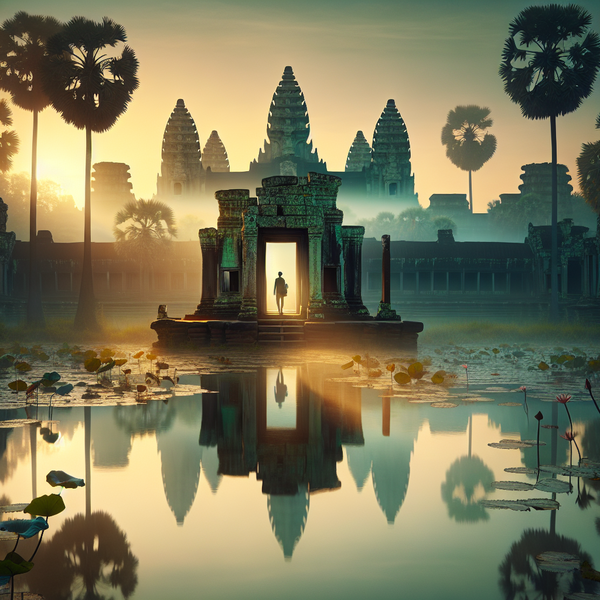
When it comes to what to see in Siem Reap, Angkor Wat stands as the shining star. This temple complex is not only Cambodia’s national symbol but also the largest religious monument in the world. Its reflection shimmering on the lotus-filled moat at sunrise is a sight that defines the magic of Southeast Asia.
The grandeur of its towers, carvings, and bas-reliefs tells the story of an empire that flourished with art and faith. Wander through its corridors at dawn to experience a peaceful moment before the crowds arrive. The central sanctuary offers breathtaking views and an intimate sense of connection with the spiritual heart of Angkor.
What to See in Siem Reap: Discovering Bayon Temple
If Angkor Wat symbolizes harmony, then Bayon Temple represents the enigma of Khmer architecture. Situated within Angkor Thom, Bayon stands out for its 54 gothic towers decorated with 216 smiling stone faces. These serene faces are believed to represent the bodhisattva Avalokiteshvara—or perhaps the king himself, infused with divine identity.
Walking through Bayon feels like being watched from every angle. The intricate bas-reliefs depict scenes of daily life, markets, and epic battles, offering a glimpse into the Khmer Empire’s vibrant past. Morning light brings warmth to the stone, while sunset shades make the faces come alive.
What to See in Siem Reap: Ta Prohm – The Jungle Temple
For those seeking a movie-like adventure, Ta Prohm is the temple that captures the heart of explorers. The interplay of nature and architecture here is mesmerizing—massive silk-cotton trees and strangler figs have wrapped themselves around ancient walls, reclaiming their territory in stunning fashion.
Unlike other temples, Ta Prohm has been left largely unrestored, maintaining the mysterious allure that evokes the feeling of lost civilizations. The best time to visit is early morning when the soft light filters through the roots, creating a surreal atmosphere perfect for photography lovers.
What to See in Siem Reap: Banteay Srei – The Citadel of Women
Next on the list of what to see in Siem Reap is Banteay Srei, often called the “Citadel of Women”. This smaller temple, crafted from pink sandstone, showcases the most intricate carvings in all of Angkor. Each delicate sculpture seems to glow in warm light, revealing stories from Hindu mythology.
Even though it’s located a bit farther from the main complex, the journey is well worth it. The fine detailing and artistic mastery displayed here show a different side of Khmer architecture—graceful, intimate, and full of emotion.
What to See in Siem Reap: Preah Khan and Its Untouched Majestic Ruins
Preah Khan offers an experience for those who love wandering through quiet corridors and discovering hidden carvings. This vast temple complex once functioned as a Buddhist university and city. Much like Ta Prohm, moss and jungle have embraced its stones, but preservation efforts allow visitors to explore its many halls safely.
What makes Preah Khan special is its layout—almost maze-like—with courtyards, carvings, and sanctuaries dedicated to multiple deities. Visiting this site truly feels like stepping back in time to the glory days of Angkor.
What to See in Siem Reap: Phnom Bakheng – Sunset Views from the Hills
Phnom Bakheng isn’t just another temple—it’s the go-to spot for sunset chasers. Located on a hill between Angkor Wat and Angkor Thom, the views over the surrounding jungle and temple silhouettes are breathtaking. Reaching the top requires a short hike, but the golden light bathing Angkor Wat at dusk makes it all worthwhile.
For a more peaceful experience, consider visiting during the late afternoon or early morning to enjoy the panoramic scenery with fewer visitors.
What to See in Siem Reap: Ta Som – The Hidden Gem
Ta Som is a lesser-known but equally captivating site. Famous for its east gate, overgrown by a giant tree, it offers a tranquil atmosphere that’s often missed by larger tour groups. The temple’s simplicity, combined with the power of nature’s artistry, makes it a perfect stop for photographers and contemplative travelers.
Looking for effective travel marketing services? Get in touch.
What to See in Siem Reap: Angkor Thom – The Great City
Covering a wide area, Angkor Thom was once the heart of the Khmer Empire and stands as a monumental reminder of their urban prowess. The city gates guarded by stone giants set a grand tone, but inside lies a collection of temples, terraces, and sculptures that narrate tales of divine power and royal rule.
Don’t miss the Terrace of the Elephants and Terrace of the Leper King, which both feature intricate carvings and provide a fascinating insight into Khmer mythological symbolism.
What to See in Siem Reap: Neak Pean and Its Sacred Pools
For those seeking serenity, Neak Pean offers an experience of reflection and balance. Built on an artificial island in the middle of a reservoir, it symbolizes healing and harmony. The temple’s layout—featuring central and surrounding pools—represents the elements of the universe in perfect symmetry.
The wooden walkway leading to Neak Pean crosses flooded plains filled with lotus flowers and birds, adding a meditative touch to the journey.
What to See in Siem Reap: Beng Mealea – The Hidden Kingdom
East of the main Angkor complex lies Beng Mealea, a temple swallowed by the jungle. Massive stones lie scattered like ruins of a once-mighty fortress. Despite its deteriorated state, exploring it gives you the feeling of being a true adventurer, discovering an untouched world long forgotten by time.
Climbing over fallen stones and peering into vine-draped courtyards are part of the adventure. Beng Mealea is perfect for travelers who crave authenticity and a raw connection with history.
What to See in Siem Reap: Suggested Itinerary and Travel Tips
Suggested Temple Routes
To fully appreciate what to see in Siem Reap, follow these simple itineraries:
- One-day tour: Angkor Wat, Bayon, Ta Prohm, Phnom Bakheng (sunset).
- Two-day tour: Add Banteay Srei and Preah Khan.
- Three-day or more: Include Beng Mealea, Neak Pean, and lesser-visited temples like Ta Som.
Traveler Tips
- Start early to avoid crowds and catch the soft morning light.
- Dress respectfully as these are sacred sites.
- Stay hydrated and bring sunscreen—sun can be intense.
- Hire a local guide for deeper insights into symbolism and history.
The Cultural Soul of Siem Reap
Beyond the temples, Siem Reap itself is a lively city full of charm. After temple-hopping, unwind at local night markets, traditional dance shows, and riverside cafes. You’ll soon realize that the essence of what to see in Siem Reap goes beyond stones—it’s in the smiles, flavors, and stories that fill the air.
Conclusion: Discover the Spiritual Heart of Cambodia
Exploring what to see in Siem Reap is more than a journey through temples—it’s a walk through time, faith, and artistry. Each stone tells a story, and every sunrise reminds travelers why Angkor remains one of the most extraordinary wonders of the world. Whether you’re drawn by adventure, photography, or spirituality, Siem Reap guarantees an experience that stays with you forever.
Pack your curiosity, charge your camera, and get ready—Siem Reap awaits with open arms and timeless wonders.