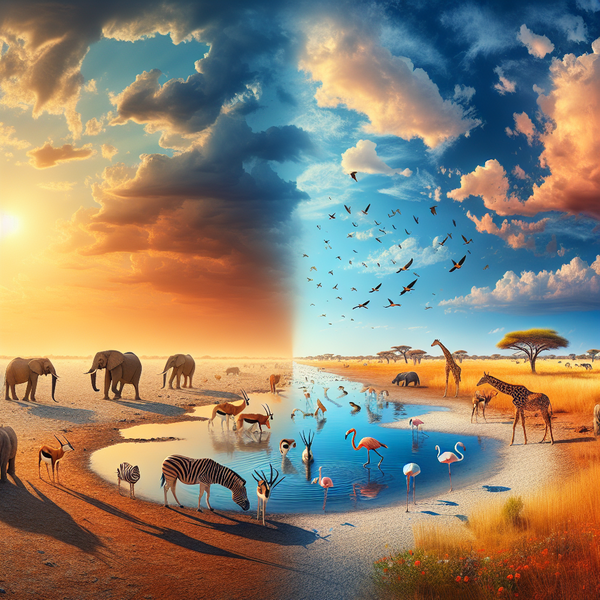
Etosha National Park in Namibia is nature’s grand theatre — where elephants, lions, and rhinos perform daily against a backdrop of endless sky and shimmering plains. But timing is everything when it comes to truly experiencing its wonders. Knowing when to go to Etosha can make the difference between a pleasant wildlife outing and a once-in-a-lifetime safari adventure.
Understanding Etosha’s Climate for the Best Safari Season
Etosha has a semi-arid climate that dramatically shapes its wildlife patterns. The park experiences two primary seasons: the dry season and the wet season. Each season offers its own rhythm, colors, and viewing opportunities.
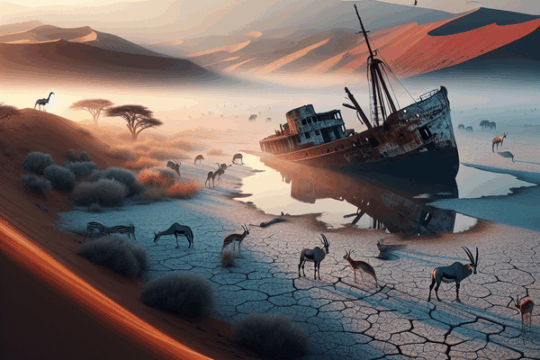
From May to October, the landscapes turn dusty golden, and animals congregate around the few remaining waterholes. The dry air enhances visibility, and predators come close to the action. In contrast, the wet season from November to April transforms the park into a lush paradise, where migrating birds and newborn animals bring life to the plains.
Dry Season: The Best Time for Wildlife Viewing in Etosha
The dry season is widely considered the best time to visit Etosha for optimal wildlife sightings. Water becomes scarce, pushing animals to gather around permanent waterholes — offering visitors an unrivaled display of Africa’s biggest and boldest creatures.
Why the Dry Season Is Ideal
- Wildlife visibility at its peak around waterholes.
- Pleasant daytime temperatures ideal for game drives.
- Fewer mosquitoes and reduced malaria risk.
- Superb photographic light and minimal vegetation obstruction.
However, this popularity means more tourists and higher accommodation demand, making early booking essential if you want to stay near prime safari areas.
Wet Season: Etosha’s Green and Lively Transformation
As rains begin, Etosha changes dramatically. The parched salt pan transforms into shimmering lagoons that attract flamingos and other migratory birds. The lush landscape provides ample food for grazers and marks calving season for many species.
The wet season may not guarantee dense animal gatherings, but it rewards those seeking a tranquil, scenic experience away from the crowds.
Highlights of Visiting During the Wet Season
- Vibrant green landscapes perfect for photography.
- Excellent birdwatching opportunities with migratory species.
- Newborn wildlife sightings and dramatic skies.
- Fewer tourists, meaning a more peaceful atmosphere.
> Find the best deals on accommodations
Month-by-Month Guide: When to Go to Etosha
Knowing the monthly differences helps you match your interests and travel preferences.
May to August – The Prime Safari Window
These months represent Etosha at its most iconic. Mornings can be chilly, but days are sunny and dry. Animals cluster around accessible waterholes, making sightings highly predictable. It’s the perfect time to capture Etosha’s famed elephant herds and predators.
September to October – The Peak of the Dry Spell
As the park dries further, temperatures climb, and dust fills the air — yet so does excitement. This period intensifies animal activity, with predators becoming more visible as they stake out waterholes.
November to January – Transition to the Green Season
Rains begin gently, awakening the landscape. Calves and cubs abound, and the park buzzes with life. While wildlife spreads out, the serene, colorful scenery more than compensates.
February to April – Birdwatchers’ Paradise
The full rains create mirror-like reflections across the pans. Birdlife flourishes, and you might witness magnificent gatherings of flamingos. The peace and beauty during this time attract nature photographers and solitude seekers alike.
Wildlife Highlights: What You’ll See Each Season
Etosha is home to the famed Big Four (lion, elephant, leopard, and rhino) and over 100 mammal species. Seasonal transitions influence which animals dominate the stage.
During the Dry Season
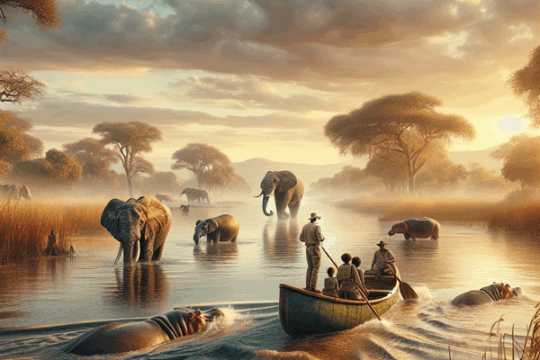
- Elephants congregating in large herds, dust-bathing near waterholes.
- Lions and leopards frequenting open plains for easy hunting.
- Rhinos and giraffes visiting predictable water points at dusk.
During the Wet Season
- Newborn impalas, zebras, and wildebeests dotting the landscape.
- Flocks of flamingos transforming the Etosha Pan into a pink spectacle.
- Abundant birdlife, including raptors, storks, and bee-eaters.
> Find the best experiences to do here
Best Photography Season in Etosha
For photography enthusiasts, the dry season offers powerful contrasts — golden light, sharp shadows, and animals framed by dusty horizons. The simplicity of the landscape emphasizes the wildlife drama.
However, during the wet season, the scenery becomes painterly, with reflections and colorful skies. This period is ideal for creative compositions, macro shots of flora, and capturing rare behaviors like birds in courtship displays.
Pro Tips for Safari Photography
- Use a telephoto lens for close-up animal portraits.
- Keep your camera ready at waterholes — action can happen anytime.
- Morning and late afternoon light provide the most flattering tones.
- Always respect wildlife by keeping a safe distance.
Planning Ahead: Making the Most of Your Safari
Planning is key when deciding when to visit Etosha. If you crave fascinating animal interactions and predictable sightings, go during the dry season. For serene beauty and fewer crowds, the wet season is your secret.
Practical Tips
- Book accommodations well in advance for dry-season travel.
- Pack layers for chilly mornings and hot afternoons.
- Carry binoculars for spotting distant wildlife.
- Respect park rules — driving after sunset is prohibited.
> Looking for effective travel marketing services? Get in touch.
Balancing Wildlife, Comfort, and Budget
Your choice of when to go to Etosha may also depend on your budget and travel style. Dry season prices surge due to demand, but you’re rewarded with world-class wildlife viewing. In contrast, the wet season offers discounts, lush visuals, and quiet trails.
Budget-Friendly Safari Planning
- Combine the shoulder months of April or November for balanced conditions.
- Join guided tours for cost-sharing and expert insight.
- Opt for self-drive options to explore at your own pace.
When to Go to Etosha: Make It Your Perfect Safari
In the end, the best season to visit Etosha depends on what kind of experience you want. If witnessing thousands of animals around glistening waterholes excites you, aim for the dry season. If you dream of flooded pans, blossoming landscapes, and peaceful drives, embrace the wet season.
Etosha is a year-round wonder. Each month uncovers a new rhythm of life in the Namibian wilderness — making every journey unforgettable.
Final Takeaway
No matter when you visit, Etosha will surprise you with its raw authenticity. The key is to align your timing with your expectations: dramatic wildlife viewing in the dry season or immersive natural beauty in the wet one. Either way, a safari here promises magic that stays with you long after you leave its shimmering horizon.