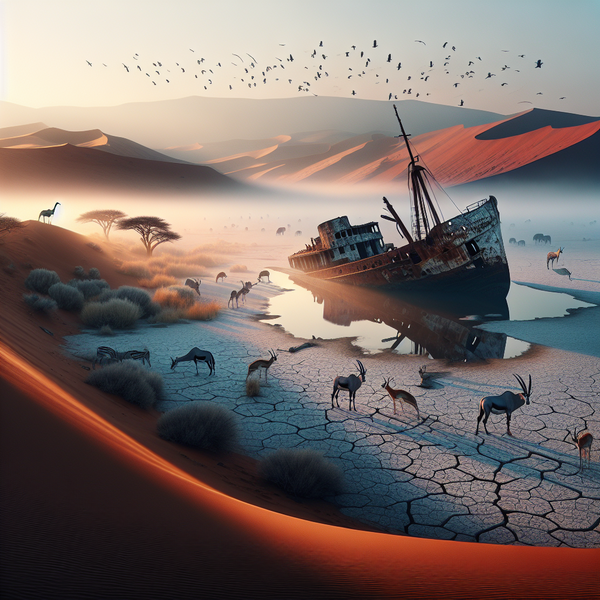
Namibia is where the golden sands of the world’s oldest desert meet the endless African skies and the untamed rhythm of wildlife. Planning your trip around the right season can transform your experience—from quiet desert mornings to game-filled evenings under starlit horizons. Knowing when to visit Namibia is the key to unlocking the best of both its desert and wildlife worlds.
Understanding Namibia’s Climate and Seasons
Namibia’s climate is primarily dry and sunny throughout the year. However, it’s divided into two main seasons: a hot, wet season and a cooler, dry one. Understanding this distinction helps you plan your journey according to your travel goals—whether that’s seeing lush green landscapes or expansive dry desert scenes.
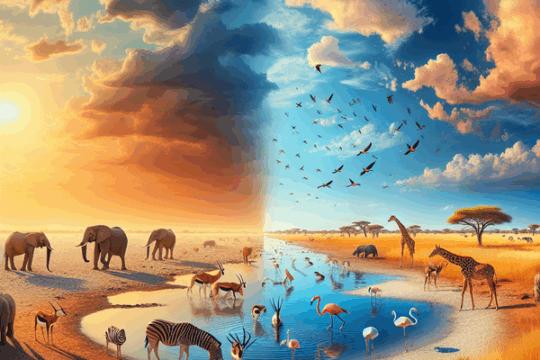
The dry season, typically spanning from May to October, offers crystal-clear skies and comfortable daytime temperatures. During these months, animals gather around limited water sources, making it the prime time for safaris.
Meanwhile, the rainy months, generally from November to April, deliver dramatic thunderstorms and bursts of life in the desert. Though wildlife is more dispersed, the scenery is breathtaking.
Best Time to Visit Namibia for Desert Landscapes
If witnessing the magic of the Namib Desert and the dunes of Sossusvlei is your priority, the dry season is the best period. The cooler, windless mornings allow for perfect photography and comfortable hikes up the iconic dunes.
Early mornings or late afternoons bring out the vivid reds and oranges of the desert sands. The play of shadows and light creates a surreal canvas that photographers from across the globe seek.
Furthermore, this season brings minimal rainfall—ideal for exploring the remote desert regions without difficulty. Desert nights are crisp and clear, perfect for stargazing under Namibia’s famous dark skies.
Best Time for Namibia’s Wildlife Encounters
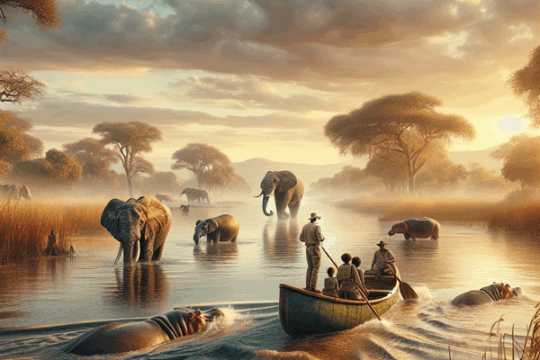
When to visit Namibia for wildlife sightings depends on the type of animals you wish to see. The dry season is undoubtedly the best for game viewing, especially in Etosha National Park. Water sources shrink, attracting elephants, lions, zebras, and antelopes to the same areas.
With less vegetation, spotting wildlife becomes significantly easier. Early morning and late evening drives offer the best chances to spot predators and rare species. It’s also the time when birdlife remains active near the waterholes, adding colorful vibrancy to the scene.
On the other hand, the rainy season, though challenging for safaris, rewards with newborn animals and green backdrops, creating a softer and more photogenic landscape.
When to Visit Namibia for Coastal Adventures
Namibia’s coast offers a unique mix of desert-meets-ocean experiences, especially in Swakopmund and Walvis Bay. Coastal temperatures remain mild year-round, making this region pleasant regardless of the main season inland.
From November to March, warm inland winds can occasionally bring foggy mornings, giving the coastline a mystical atmosphere. These misty conditions are particularly fascinating when visiting the Skeleton Coast or exploring the desert dunes that seem to merge with the sea.
Whale watchers and marine life enthusiasts will find the summer months particularly rewarding, with dolphins, seals, and even migrating whales visible during certain periods.
Best Time to Visit Namibia for Adventure Activities
Adventure seekers will find that timing is everything in Namibia. Activities like hot-air ballooning over Sossusvlei, sandboarding on the dunes of Swakopmund, or hiking through Fish River Canyon are heavily influenced by temperature and weather conditions.
The cooler months between May and September offer the ideal balance between comfortable days and mild nights. It’s also the best time for long drives along Namibia’s scenic gravel roads without the challenge of heavy rain or intense heat.
For those who love photography, this is also the golden window—clear skies, dramatic shadows, and wildlife in abundance.
Looking for effective travel marketing services? Get in touch.
Off-Season Travel: Hidden Benefits in Namibia
While the dry season steals the spotlight, the off-season—typically between December and March—has its own charm. During this time, fewer travelers mean a more tranquil experience and potentially better rates on accommodations and tours.
The landscape springs to life, with wildflowers blooming and migratory birds filling the skies. Local festivals often occur during these months, offering deeper cultural insights into Namibian life.
This is also an excellent period for travelers who prioritize scenery over wildlife viewing, as the lush colors and vibrant skies are a photographer’s dream.
Regional Variations: Timing Your Visit Across Namibia
Namibia’s vastness means that weather patterns and experiences can vary greatly between regions. Understanding these microclimates helps you make the most of your trip.
- Etosha National Park: Best visited in the dry season for concentrated wildlife around waterholes.
- Namib Desert and Sossusvlei: Ideal during cooler months for clear skies and easier dune climbs.
- Swakopmund and the Skeleton Coast: Great year-round, though fog adds character during warmer seasons.
- Caprivi Strip (Zambezi Region): Lush and green, perfect for birdwatching in the wet season.
With careful planning, you can combine regions to experience different sides of Namibia in one unforgettable adventure.
Planning Tips for the Perfect Namibia Trip
Once you’ve decided when to visit Namibia, smart planning ensures a stress-free journey. Namibia’s vast distances mean driving times can be long, so allocate enough days for each region. Renting a 4×4 vehicle gives you the freedom to explore remote areas comfortably.
Book your lodges early during peak seasons, particularly around popular parks like Etosha and Sossusvlei. Likewise, carry enough water and essentials, as some routes pass through isolated landscapes with few stops.
Lastly, respect nature’s rhythm—wildlife viewing is best done during dawn and dusk, while midday is perfect for soaking in Namibia’s silence and vastness.
Final Thoughts: Choosing Your Ideal Time to Visit Namibia
Deciding when to visit Namibia comes down to what inspires you most. If you dream of endless desert horizons and unbeatable wildlife encounters, aim for the dry months. If you love lush scenery, cultural events, and solitude, the rainy season could surprise you.
Namibia’s beauty lies in its contrasts—the glowing dunes versus the green savannas, the silence of the desert against the roar of lions, the stillness under starlit skies. No matter when you decide to explore, Namibia rewards every traveler with moments that stay forever etched in memory.
Quick Recap: Namibia by Season
- May–October: Best for safaris, desert exploration, and clear skies.
- November–April: Green landscapes, birdwatching, and fewer crowds.
- Year-round: Great coastal weather and adventure activities.
With the right timing, Namibia unveils its full splendor—inviting you to experience a land like no other, where desert and wildlife harmoniously intertwine.