
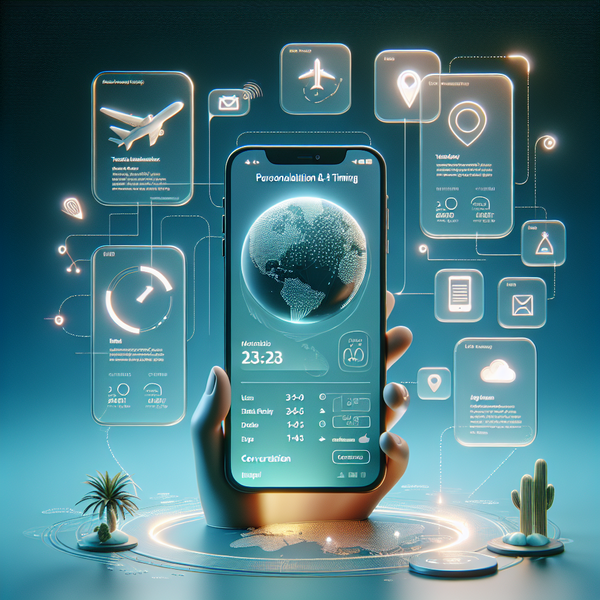
Staying top of mind in a crowded travel market is a challenge every travel app faces. Push notifications can be a secret weapon when used smartly. With the right strategy, they can transform a user’s casual browsing into confirmed bookings, keeping travelers connected from inspiration to destination.
Understanding Push Notifications for Travel Booking Apps
Push notifications are direct messages sent from your travel booking app to users’ mobile devices. The beauty of these notifications lies in their immediacy and relevance. They act as mini reminders, helping travelers discover irresistible deals, re-engage with previously searched destinations, or stay updated with flight and hotel alerts.
Well-crafted push notifications not only enhance engagement but also foster user loyalty. For travel apps, each notification can serve as a micro-conversion opportunity.
Personalization: The Foundation of Push Notification Strategy
Personalization is the key to ensuring your travel app’s push notifications feel helpful rather than intrusive. Travelers crave relevance. Sending notifications tailored to user preferences, destinations, and past behaviors makes a significant impact.
Data-Driven Customization
Start by collecting and analyzing user data such as favorite destinations, booking history, or price sensitivity. Segment users based on travel interests or frequency, then deliver messages that match their exact desires.
- Use names or past trip locations in messages.
- Send price drop alerts for specific destinations users tracked.
- Recommend complementary travel services after a booking.
Effective personalization enhances click rates and increases booking conversions.
Timing Your Push Notifications Strategically
Knowing when to send notifications matters just as much as what you send. Travelers respond best when messages appear at the right moment in their decision-making journey.
Send notifications when users are most receptive — often during the inspiration or planning phase. Avoid sending too frequently, as it can lead to message fatigue. Instead:
- Send trip reminders before upcoming travel dates.
- Offer last-minute deals near holidays or long weekends.
- Trigger notifications after users search or abandon a cart.
A/B testing various send times will reveal your audience’s optimal engagement window.
Segmentation Strategies for Travel App Push Notifications
Segmentation ensures that your notifications are relevant to each user type. Not every traveler behaves the same way, and segmenting by demographics, intent, and travel habits can elevate message performance.
Types of Segmentation You Can Use
- Geographical segmentation: Send messages related to the user’s current or home location.
- Behavioral segmentation: Trigger personalized alerts based on in-app activity.
- Lifecycle segmentation: Differ communication between new users, frequent travelers, and inactive accounts.
Segmenting allows for hyper-relevant notifications that resonate with traveler intent, leading to higher open rates and more bookings.
Crafting Compelling Push Notification Copy
Your message must capture attention instantly. Keep it short, action-oriented, and emotionally engaging. Travelers respond to inspiring and value-driven language.
Writing Tips for Higher Click-Through Rates
- Use urgency words like “limited offer” or “last chance”.
- Include emojis sparingly to boost visual appeal.
- Highlight unique selling points, such as flexible cancellations or exclusive prices.
- Always add a clear call-to-action (CTA), such as “Book now” or “Discover deals”.
Personalized, concise messages backed by emotional appeal perform best across all travel booking app audiences.
Automation and Triggers in Push Notification Campaigns
Automation is the backbone of any modern push notification strategy. By employing triggers based on user behavior, your travel booking app can deliver timely and relevant updates.
Examples of Effective Triggered Notifications
- Booking Confirmation: Send an instant confirmation message after a user completes a booking.
- Travel Reminder: Remind users of upcoming departures and local weather updates.
- Price Alert: Notify travelers of fare drops for their favorite destinations.
- Re-engagement: Reach out to dormant users with special offers.
Automation not only saves time but also ensures consistency, enhancing user satisfaction.
Optimizing Push Notifications for User Experience
Design influences how effectively users interact with your push notifications. Balance aesthetics with clarity, and always respect user preferences.
Best Practices for a Seamless Experience
- Allow users to customize notification frequency and preferences.
- Ensure clear visuals and avoid text clutter.
- Integrate deep links to take users directly to specific app sections.
User-centric design reduces uninstalls and boosts trust.
Looking for effective travel marketing services? Get in touch.
Using Rich Media for Interactive Push Notifications
Multimedia elements like images, videos, and buttons make travel notifications more engaging. A stunning destination photo can spark wanderlust instantly.
Creative Elements That Drive Conversions
- Include images of dream destinations or properties.
- Embed CTA buttons for quick actions like “View Offer” or “Explore More”.
- Use carousel formats to showcase multiple destinations.
Rich media notifications encourage longer interactions and increase app retention.
Measuring Success: Analytics for Push Notification Strategies
To refine your push notification campaigns, track key performance indicators (KPIs). Analyzing metrics helps you understand which messages convert best.
Metrics to Monitor
- Open rate
- Click-through rate (CTR)
- Conversion rate
- Unsubscribe rate
Regularly reviewing this data allows you to adapt your travel booking app’s push strategy for maximum results.
Integrating Push Notifications into a Broader Marketing Ecosystem
Push notifications shouldn’t operate in isolation. They work best when integrated with email marketing, in-app messaging, and social media campaigns.
Cross-channel coordination ensures consistency and reinforces brand awareness. For example, if a traveler views a destination on your app, send a follow-up push alongside an email showcasing exclusive deals for that destination.
Benefits of Cross-Channel Integration
- More personalized user journeys.
- Improved return on investment (ROI).
- Higher overall engagement and brand recall.
Balancing Frequency and User Consent
Frequency can make or break your push notification performance. Too many alerts can feel spammy, while too few may cause users to forget your app.
Establishing a Permission-Based Strategy
Ask for permission at the right moment — preferably when users see real value in notifications, such as upcoming trip alerts or exclusive fare reductions.
- Provide clear opt-in options during onboarding.
- Allow easy access to notification settings.
- Reward users who enable notifications with bonus discounts or travel tips.
Respecting user choice leads to higher engagement and fewer opt-outs.
Future Trends in Push Notification Strategies for Travel Apps
The future of push notifications will be guided by AI, predictive analytics, and hyper-personalization. Travel booking apps will use real-time context — like weather or location — to deliver even more relevant updates.
Emerging technologies such as voice assistants and geofencing will further refine user targeting. The result? More intuitive and context-aware notifications that anticipate traveler intent.
By staying adaptive and data-driven, travel brands can turn every push notification into a personalized travel assistant.
Conclusion: Turning Push Notifications into Booking Powerhouses
Push notification strategies for travel booking apps can transform the way brands connect with users. Through personalization, segmentation, automation, and creativity, each message becomes a meaningful touchpoint that guides travelers from browsing to booking.
The key is balance — deliver value, respect user preferences, and continuously optimize. Do that, and your travel app will become not just a booking tool but an essential companion in every traveler’s journey.
Looking for effective travel marketing services? Get in touch.