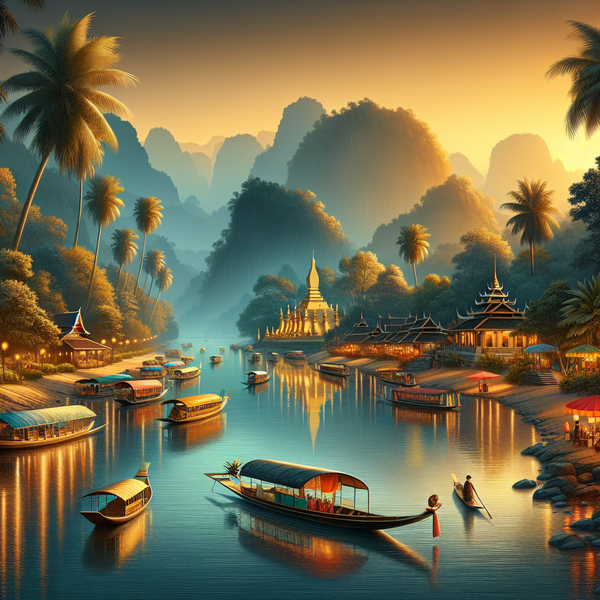
Hidden among misty mountains and surrounded by the tranquil waters of the Mekong and Nam Khan rivers, Luang Prabang exudes a timeless charm that enchants every traveler. This UNESCO World Heritage town is a graceful blend of cultural traditions, golden temples, French colonial architecture, and a meditative atmosphere. Whether you wander its heritage streets or climb its sacred hills, Luang Prabang invites you to slow down and experience authenticity.
Exploring Luang Prabang Old Town
The heart of Luang Prabang lies in its Old Town, where ancient temples and colonial-era houses coexist harmoniously. The narrow streets are lined with boutique guesthouses, traditional wooden homes, and cafés that open onto serene views of the rivers. This is where you’ll truly feel the soul of the town — peaceful, atmospheric, and deeply spiritual.
Wandering through these streets gives visitors direct access to Laos’ Buddhist heritage. The intricate rooflines of the temples, the orange robes of monks passing with calm grace, and the aroma of fresh food from local markets make this area a living museum.
Wat Xieng Thong Temple: Jewel of Luang Prabang
Often called the most beautiful temple in Laos, Wat Xieng Thong represents the pinnacle of traditional Lao architecture. Its sweeping roofs nearly touch the ground, and its richly decorated interiors feature detailed mosaics reflecting tales from Buddhist mythology. The temple complex also includes several chapels, stupas, and ceremonial structures that speak to the city’s royal past.
Visiting Wat Xieng Thong in the early morning or at sunset enhances its spiritual aura and allows you to capture golden light reflecting off its gilded surfaces. It remains one of the top things to see in Luang Prabang for its artistic, historical, and spiritual significance.
Mount Phousi: The Sacred Hill with Panoramic Views
In the center of town rises Mount Phousi, a small hill offering panoramic views of the surrounding mountains and rivers. Climbing its steps—around 300 of them—is both a meditative and rewarding experience. Along the way, small shrines and Buddha statues line the path, guiding you toward the summit.
At the top, the That Chomsi stupa stands gleaming against the sky, watching over the town. Sunset from here is magical, with golden light illuminating the rooftops and riverbanks below. Make sure to bring your camera; this is one of the best photo spots in Luang Prabang.
The Morning Alms Giving Ceremony
One of the most spiritual experiences in Luang Prabang is observing the Tak Bat — the daily alms giving ceremony. In the early dawn, hundreds of monks walk silently through the streets collecting food offerings from locals and visitors. This age-old ritual symbolizes humility, generosity, and respect.
Visitors should observe quietly and respectfully, maintaining distance and modesty. It’s not just a performance; it’s a moment of deep spiritual connection between monks and the community. Witnessing this ceremony at least once is essential to understanding the spirit of Luang Prabang.
Royal Palace Museum: Glimpse Into The Past
The Royal Palace Museum, or Haw Kham, showcases the legacy of the Lao monarchy and its interaction with colonial influences. The palace combines traditional Lao design with subtle French touches, reflecting the unique cultural crossroads that defines the town. Inside, you’ll find royal artifacts, religious relics, and furniture preserved from the last royal family that resided there.
Outside, the manicured gardens and adjacent temples offer a peaceful retreat. The museum is an excellent starting point to learn how Luang Prabang became the spiritual and historical center of Laos.
Kuang Si Falls: The Natural Wonder Near Luang Prabang
No visit to Luang Prabang is complete without exploring Kuang Si Falls, a cascading paradise about 30 kilometers from the town center. Its turquoise pools invite visitors to swim, relax, or simply marvel at the stunning blue hues contrasting with the surrounding jungle. The waterfall’s multi-tiered structure makes it one of the most photographed spots in Laos.
Nearby, you can visit a bear rescue center dedicated to protecting endangered Asiatic black bears. A short trek or bike ride through local villages adds adventure to your visit, giving you glimpses of rural Lao life.
Night Market: A Cultural Feast of Colors and Flavors
As evening falls, the Luang Prabang Night Market bursts into life along Sisavangvong Road. Here, artisans sell handmade textiles, silver jewelry, bamboo crafts, and paintings that reflect local creativity. The atmosphere is vibrant but still relaxed, offering an authentic window into the region’s traditions.
Food stalls nearby serve everything from Lao noodles to fresh tropical juices and vegetarian buffets. The market also offers sustainable shopping opportunities — buying directly from local families supports traditional craftsmanship.
Looking for effective travel marketing services? Get in touch.
Mekong River Cruise: A Journey Through Time
Taking a Mekong River cruise is an unforgettable way to experience Luang Prabang’s scenic beauty. Longtail boats and slow cruises glide past fishing villages, ancient caves, and forested mountainsides. It’s a meditative escape into Lao life — simple, rhythmic, and profoundly beautiful.
Many travelers choose to embark on sunset cruises for romantic views or full-day excursions to the Pak Ou Caves, famous for hundreds of Buddha statues. The tranquil atmosphere along the river makes it one of the town’s top-rated experiences.
Pak Ou Caves: The Spiritual Riverside Sanctuary
Located where the Mekong meets the Nam Ou River, the Pak Ou Caves house thousands of Buddha images left by worshippers over centuries. These caves remain a sacred pilgrimage site and a profound reminder of Buddhist devotion. You can reach them by boat, which adds a scenic dimension to the journey itself.
The lower and upper caves differ in atmosphere — one illuminated by natural light, the other shrouded in quiet darkness, perfect for reflection. Visiting with a knowledgeable local guide reveals unique insights into regional legends and spiritual practices.
Local Villages and Cultural Immersions
Beyond its temples and landmarks, Luang Prabang connects visitors to rural life through interactions with local villages. These communities maintain age-old craftsmanship such as silk weaving, pottery, and wood carving. Meeting these artisans brings a deeper appreciation of how tradition and simplicity define Lao culture.
Many tours also include homestay options, cooking lessons, or rice farming experiences, allowing you to engage meaningfully with the people behind the heritage. It’s an authentic and respectful way to explore beyond the typical tourist trail.
Best Time to Visit and Travel Tips
Luang Prabang is enjoyable year-round, but the dry season often provides comfortable weather for exploring on foot or by bicycle. Mornings are ideal for temple visits and quiet reflection, while evenings lend themselves to lingering by the riverside. Lightweight clothing, sunscreen, and respectful attire for temples ensure an enjoyable and mindful visit.
Above all, take your time. Luang Prabang is not a place to rush — it’s a destination that rewards patience and curiosity. Every alley, courtyard, and smile tells a story that connects the past and present.
Why Luang Prabang Belongs on Every Traveler’s List
From sacred temples to lazy riverside cafés, Luang Prabang harmonizes spirituality, culture, and natural beauty like few places in Asia. This UNESCO treasure offers not just sightseeing, but moments of introspection and inspiration. Whether you seek tranquility, adventure, or cultural connection, Luang Prabang will leave an everlasting mark on your heart.
Its quiet rhythm, golden glow, and kind-hearted locals make it more than a mere travel destination — it feels like a timeless home for the soul.