Hidden within rugged canyons and rose-colored cliffs, Petra remains one of the world’s most mesmerizing archaeological wonders. Known as the *Rose City*, this ancient site invites explorers to step into the past and discover remnants of cultures carved directly into sandstone. From its narrow entrance gorge to its monumental tombs and temples, every corner of Petra tells a story of ingenuity, spirituality, and power.
Petra Archaeological Guide: What to See First
Arriving at Petra, the adventure begins with the *Siq*, a natural gorge that serves as the dramatic gateway to the site. Walking through the Siq, visitors are surrounded by towering walls of red and pink hues, sometimes stretching over 80 meters high. Along the way, you can spot ancient carvings and remnants of water channels that once carried life into the desert city.
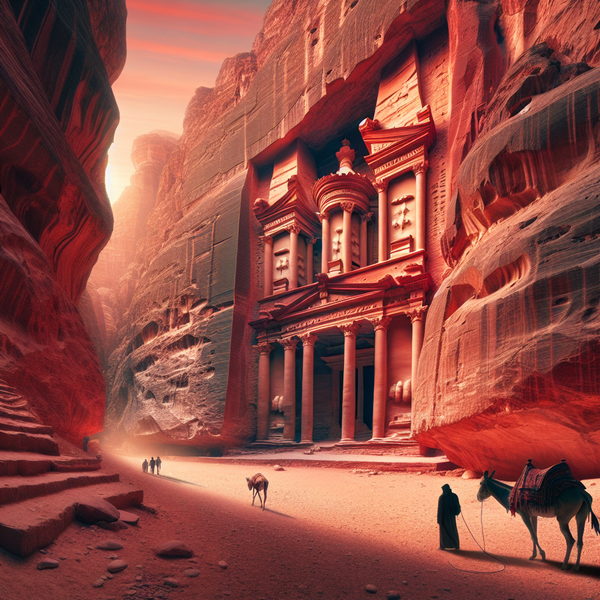
Emerging from the Siq’s shadows reveals the most iconic sight in Petra — Al-Khazneh, or *The Treasury*. Its intricate façade carved into the cliff glows under the sunlight, offering a breathtaking first impression. The Treasury’s detailed columns and Hellenistic decorations reflect Petra’s role as a crossroads of cultures and commerce.
Exploring the Street of Facades and the Theatre
Just beyond the Treasury lies the *Street of Facades*, a row of monumental tombs carved into the rock. These striking structures served as burial places for Nabataean elites and showcase different architectural styles, blending local and classical influences.
Further along, visitors reach the remarkable *Theatre of Petra*. Cut directly into the mountain, it could hold thousands of spectators for performances and gatherings. Each tier of seating and each carved wall echo the city’s once vibrant social and cultural life.
Petra Monastery (Ad-Deir): The Hidden Gem
Beyond the main valley, one of Petra’s grandest monuments awaits — the Monastery or *Ad-Deir*. To reach it, you’ll climb over 800 rock-cut steps, a journey that rewards intrepid travelers with panoramic views of the surrounding mountains. The Monastery resembles the Treasury but on an even more monumental scale, with a towering doorway and a carved urn crowning the façade.
The large terrace nearby is perfect for rest and reflection while taking in the sweeping beauty of Petra’s landscape. Though less ornate than Al-Khazneh, Ad-Deir’s immense proportions make it one of the most awe-inspiring sights in the entire site.
Petra Royal Tombs and the High Place of Sacrifice
The *Royal Tombs* represent another highlight in Petra’s archaeological complex. These majestic façades carved into the cliffs include the Urn Tomb, the Silk Tomb, and the Corinthian Tomb. Each one illustrates a blend of Nabataean craftsmanship and Greco-Roman influence, hinting at the cosmopolitan nature of Petra’s ancient society.
For those seeking even greater adventure, the *High Place of Sacrifice* provides not only archaeological significance but also magnificent scenic views. It is one of the few sites where ceremonial altars remain intact, offering insights into Nabataean religious practices and rituals dedicated to their gods.
Petra’s Colonnaded Street and the Great Temple
Descending back into the main valley, the *Colonnaded Street* showcases Petra’s urban side. Once lined with shops and public buildings, this ancient thoroughfare reveals how organized the Nabataean capital was. Marble paving stones and column bases trace the outline of a once thriving market and administrative center.
At its end stands the impressive *Great Temple*, one of the most ambitious architectural achievements in Petra. Excavations have revealed courtyards, staircases, and ornate columns decorated with floral motifs. This monumental area served civic and religious purposes, symbolizing the power and wealth of the Nabataean civilization.
Byzantine Influence and the Petra Church
Within the same archaeological zone lies the *Byzantine Church*, where remarkable mosaics survive in excellent condition. These colorful representations of animals, plants, and mythological figures add a surprising touch of artistic beauty to the austere rock environment. The church demonstrates Petra’s continuous occupation during the Byzantine period, long after the Nabataean kingdom declined.
Nearby, archaeologists have uncovered residential quarters, workshops, and storage rooms, painting a vivid picture of Petra’s evolving community life.
Little Petra: The Hidden Neighbor
A few kilometers from the main site lies *Little Petra* (*Siq al-Barid*), a smaller but equally captivating archaeological zone. This area likely served as a caravan station for traders arriving along the Incense Route. Little Petra’s carved façades, stairways, and rock-cut rooms reveal how travelers once rested and conducted commerce before entering the great city.
The site is less crowded and offers a more intimate experience of Nabataean architecture. Carvings and frescoes in some chambers still preserve traces of original pigments, providing valuable clues about the region’s artistry.
Practical Tips for Visiting Petra
To make the most of your Petra adventure, consider these practical tips:
- Start early: Sunrise casts spectacular light on the rocks and helps avoid midday heat.
- Wear comfortable shoes: Terrain is rocky and requires sturdy footwear.
- Stay hydrated: Bring plenty of water; Petra’s vast expanse offers few shade spots.
- Hire a local guide: They share stories and insights you won’t find in guidebooks.
- Visit at sunset: Colors shift dramatically, offering mesmerizing photos of the Treasury and Monastery.
You can also find shaded spots and rest areas near the main paths, where local vendors offer tea and crafts.
Petra by Night: A Magical Experience
Perhaps the most enchanting experience in Petra is visiting after dark. Through the *Petra by Night* event, the Siq and Treasury are illuminated by hundreds of candles, creating an ethereal glow. The quietness of the canyon, combined with soft music and storytelling, transforms the atmosphere into something unforgettable.
It’s a unique opportunity to feel Petra’s spiritual essence beyond daylight. The reflections of flickering lights across the sandstone façades capture the very soul of this ancient city.
Why Petra Remains an Icon of Human Creativity
Petra’s blend of natural beauty and architectural mastery continues to astonish travelers and researchers alike. Every façade, staircase, and temple carved by human hands merges seamlessly with nature’s art. Its survival through the centuries speaks of human adaptability and imagination.
A walk through Petra is more than sightseeing — it’s a journey through layers of civilization that shaped trade, design, and faith across the ancient world. The experience leaves every visitor with a lasting sense of wonder and respect for humanity’s enduring creativity.