Imagine stepping onto a land so otherworldly that you might mistake it for another planet. Welcome to Socotra Island, a remote paradise in the Arabian Sea that feels untouched by time. With landscapes that merge alien-like trees, crystal waters, and rolling sand dunes, Socotra is a dream destination for true adventurers. If you’ve ever wondered what to see in Socotra Island, this ultimate guide will take you through its most incredible attractions, wildlife, and hidden corners.
What to See in Socotra Island: Introduction to the Island
Socotra Island, part of Yemen, is often referred to as the “Galápagos of the Indian Ocean” due to its exceptional biodiversity. More than a third of its plant species can only be found here, making it a UNESCO-listed natural treasure. This island combines rugged mountains, white beaches, and mysterious deserts to offer travelers an unmatched sensory experience.
Socotra’s charm lies in its raw, unspoiled beauty. There are no glittering resorts or bustling cities—just nature at its purest. Whether you’re an eco-traveler, photographer, or explorer, Socotra’s unique scenery promises unforgettable encounters.
What to See in Socotra Island: Dragon Blood Trees
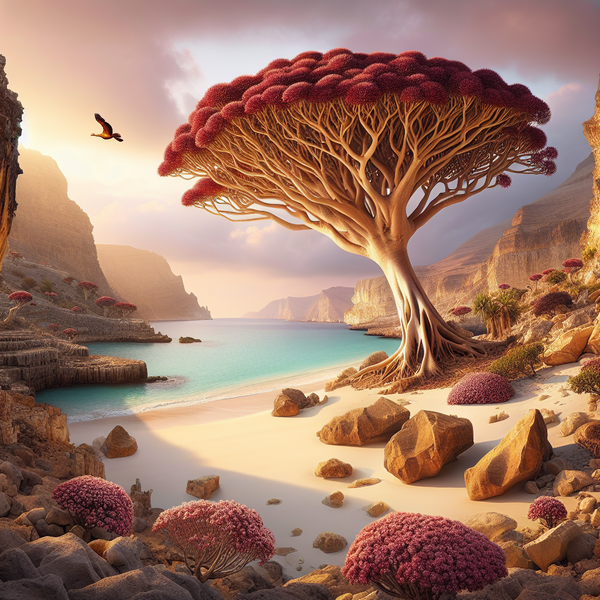
No visit to the island is complete without seeing the iconic Dragon Blood Trees, known for their umbrella shape and crimson resin. Found mainly in the Dixam Plateau region, these ancient trees seem straight out of a fantasy novel.
The resin, once used for medicine and dye, drips like blood when the bark is cut—hence the name. Walking among these twisted giants is a surreal experience and one of the island’s most photographed moments.
What to See in Socotra Island: Dixam Plateau and Wadi Dirhur Canyon
The Dixam Plateau stretches across Socotra’s center, offering breathtaking views of deep canyons and unusual flora. The tone of the landscape shifts with the sunlight, painting the rock formations in shades of gold and red. Below the plateau lies the Wadi Dirhur Canyon, where pools of turquoise water invite you to swim and refresh under the blazing sun.
Hiking through this area reveals incredible biodiversity, from rare birds to endemic plants, making it a highlight for nature lovers and photographers alike.
What to See in Socotra Island: Qalansiyah Beach and Detwah Lagoon
One of Socotra’s jewels is Qalansiyah Beach, where white sands stretch endlessly under a brilliant blue sky. The nearby Detwah Lagoon is a protected area famous for its crystal-clear waters and abundant marine life. Stingrays, crabs, and colorful fish can be spotted in the shallow areas, offering fantastic snorkeling opportunities.
For photographers, the sunset here is magical—the golden hues reflecting off the waters create a perfect natural spectacle. Local fishermen in small wooden boats add charm to the serene atmosphere.
What to See in Socotra Island: Shuaab Beach
If you’re seeking a complete escape, Shuaab Beach will take your breath away. Accessible by boat from Qalansiyah, this hidden paradise feels completely isolated. Its calm, transparent waters are perfect for swimming, and dolphins often escort boats during the journey—one of Socotra’s most delightful sights.
This pristine beach offers a quiet, meditative experience that captures the essence of the island’s untouched wilderness.
What to See in Socotra Island: Hoq Cave
Adventure seekers will love exploring Hoq Cave, one of Socotra’s most astonishing natural wonders. Stretching several kilometers into the island’s limestone hills, this cave is filled with stalagmites, stalactites, and inscriptions believed to date back to ancient civilizations.
The temperature inside the cave is refreshingly cool, making it a perfect stop after a long day outdoors. Bring a flashlight, sturdy shoes, and a sense of curiosity—Hoq Cave hides secrets waiting to be discovered.
What to See in Socotra Island: Dihamri Marine Protected Area
Dive into underwater magic at the Dihamri Marine Protected Area. This spot is a paradise for snorkelers and divers, offering coral reefs bursting with color and marine life. You’ll encounter vibrant fish species, turtles, and occasionally small reef sharks in these crystal waters.
Dihamri is one of the best places to truly appreciate how rich and diverse Socotra’s ecosystem is. Local guides ensure that marine life is protected, keeping this fragile environment safe for future generations.
What to See in Socotra Island: Arher Beach and Sand Dunes
At the northeastern tip of the island lies Arher Beach, where golden sands meet turquoise waves and towering white dunes reach dizzying heights. Behind the dunes, freshwater springs trickle down from the mountains, creating a unique blend of desert and oasis landscapes.
Climbing the dunes offers spectacular views of the Arabian Sea. Sunrise or sunset here is an unforgettable moment—warm light washing over the coastline makes this one of Socotra’s most photogenic locations.
What to See in Socotra Island: Homhil Protected Area
Homhil Protected Area showcases Socotra’s lush side. This ecological reserve features frankincense trees, bottle trees, and natural pools that overlook the sea. The famous “infinity pool” of Homhil is a favorite photo spot where visitors can swim with panoramic views surrounding them.
It’s an ideal place to observe endemic plant life and relax after exploring the more rugged areas of the island. The trek to Homhil is moderately challenging but worth every step.
What to See in Socotra Island: Skand Peak
For a thrilling adventure, climb Skand Peak, the highest mountain on Socotra Island. The trek offers panoramic views of valleys, forests, and the Indian Ocean beyond. The climb is demanding but introduces hikers to a variety of landscapes—and the reward at the top is breathtaking.
Make sure to bring proper hiking gear and plenty of water. A guided tour is recommended to help navigate the terrain and learn about the local flora and fauna along the way.
What to See in Socotra Island: Local Villages and Culture
Beyond its natural wonders, Socotra is home to a vibrant local culture shaped by centuries of isolation. Visiting traditional villages such as Qalansiyah or Hadibo allows travelers to connect with Socotri people and experience their warm hospitality.
Locals are known for their crafts, including woven baskets, handmade tools, and natural products derived from the island’s plants. Engaging with them offers a deeper understanding of how life thrives in such a unique setting.
What to See in Socotra Island: Wildlife and Biodiversity
Socotra’s biodiversity is astonishing. Its isolation has allowed species to evolve independently, creating flora and fauna found nowhere else. The Socotra Starling, Socotra Cuckoo, and the Blue Baboon Spider are just a few examples of its endemic wildlife.
Birdwatchers and biologists from around the world visit to study these unique species. Even casual observers will marvel at the richness of life that flourishes in this remote environment.
What to See in Socotra Island: Practical Tips for Travelers
Getting There
Access to Socotra requires flying from select gateways in the region. Due to limited transport options, planning ahead is essential to secure flights and accommodations.
Best Time to Visit
The climate is warm all year round, but certain months provide calmer seas and cooler air, ideal for hiking and beach exploration. Avoid travel during high winds for a safer and more comfortable experience.
What to Pack
- Comfortable walking shoes
- Light, breathable clothes
- Eco-friendly sunscreen
- Reusable water bottle
- Flashlight and hiking gear
What to See in Socotra Island: Why You Should Go Now
Socotra Island remains one of the last untouched places on Earth. Visiting it is like stepping back in time to witness nature before modern influence. Each valley, tree, and beach tells a story of resilience, evolution, and beauty.
Whether you’re drawn by its alien landscapes, thriving marine life, or the kindness of its people, Socotra offers an adventure that will forever remain in your memories. Pack your sense of wonder and get ready to explore one of the most extraordinary destinations on the planet.