Nestled in the lush hills of northeastern Bangladesh, Sylhet is where rolling green tea gardens meet misty valleys and serene rivers. This region, often called the land of two leaves and a bud, offers visitors a perfect blend of nature, culture, and tranquility. Whether you’re strolling through centuries-old tea estates, exploring waterfalls, or savoring a cup of freshly brewed Sylheti tea, every moment here feels authentic and refreshing.
Exploring the Tea Gardens of Sylhet
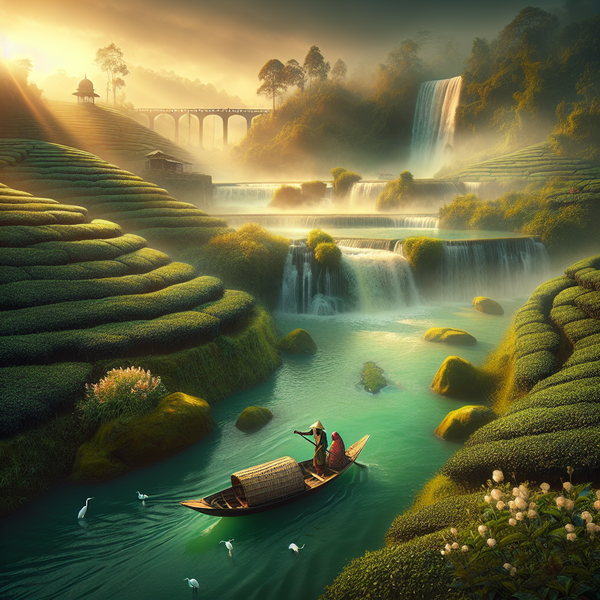
The heart of Sylhet lies in its verdant tea gardens. As you drive through the winding roads, endless stretches of manicured tea bushes spread across the rolling hills. Workers, dressed in colorful attire, can be seen plucking tea leaves with practiced ease — a timeless image of the region’s livelihood.
Visitors can venture into famous estates like Malnicherra, Lakkatura, and Tarapur, which are among the oldest tea gardens in Bangladesh. Stroll along narrow trails, watch the art of tea processing, and perhaps sample freshly brewed Sylheti tea while overlooking panoramic green landscapes.
Ratargul Swamp Forest: The Amazon of Bangladesh
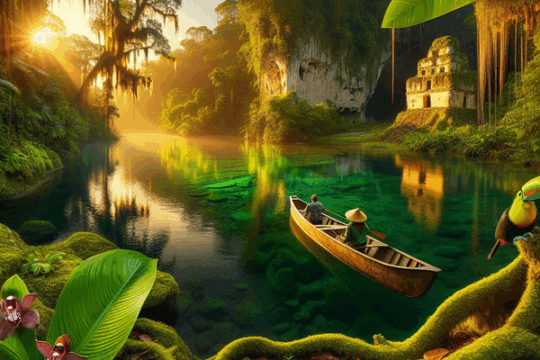
Not far from the tea gardens lies Ratargul Swamp Forest, an enchanting freshwater swamp known for its surreal beauty. During the monsoon, the forest becomes submerged, and wooden boats glide through the emerald waters between towering Koroch trees.
This forest is a haven for nature lovers and bird watchers. Keep your eyes open for kingfishers darting through the trees and rare migratory birds resting in the branches. A peaceful boat trip here is one of Sylhet’s most serene experiences.
Jaflong: Where Land Meets the Sky
Jaflong is one of Sylhet’s signature attractions, perched near the border with India. The area is known for its rolling hills, cascading waterfalls, and the sparkling Piyain River. Visitors come here to experience the raw natural beauty that perfectly captures Sylhet’s essence.
Shimmering pebbles line the riverbanks, and in the distance, the Khasi hills rise dramatically. On clear days, you can spot waterfalls tumbling from the Indian side, adding to the spectacular scenery of Jaflong. It’s an ideal place for photography, short hikes, or simply soaking in the peaceful environment.
Bisnakandi: Nature’s Canvas of Stones and Streams
Bisnakandi is where multiple layers of hills, flowing streams, and stone beds meet to form a natural masterpiece. Crystal-clear water flows over colorful pebbles, creating a perfect setting for relaxation and exploration. Many travelers describe it as a living painting brought to life by nature’s brush.
During the dry season, you can walk across the stones and wade into shallow streams, while in the rainy months, the entire valley turns into a symphony of water and mist. It’s also a favorite spot for local picnic groups and photographers seeking to capture the region’s vibrant energy.
Sada Pathor at Bholaganj: The White Stone Wonderland
Located near the northern border, Sada Pathor or “White Stones” of Bholaganj is a relatively less-explored gem. The area is covered with shining white stones scattered across the riverbed of the Dholai River, contrasting beautifully with the turquoise water around it.
The journey to Bholaganj itself is scenic, passing through mountain corridors and rural villages. Once there, visitors are rewarded with a serene view of river flows, white stones gleaming under sunlight, and the tranquil rhythm of borderland life.
Srimangal: The Tea Capital of Bangladesh
While Sylhet itself is richly endowed with tea gardens, Srimangal stands out as the epicenter of Bangladesh’s tea production. Often referred to as the “Tea Capital”, this area boasts thousands of acres of tea estates, along with pineapple plantations and lemon groves that fill the air with a sweet fragrance.
Don’t miss visiting the Tea Museum, which offers insights into the art and history of tea cultivation. You can also ride bicycles through lush estates, meet local Monipuri communities, and taste the famous seven-layer tea — a vibrant display of colors and flavors served in a single glass.
Lawachara National Park: A Haven for Wildlife
Lawachara National Park is one of the most biodiverse regions in Bangladesh. Covering a dense tropical forest, it shelters rare species like the Hoolock Gibbon, reptiles, and brightly plumed birds. The fresh forest air, chirping of exotic birds, and sun rays filtering through green canopies make it a soothing retreat for travelers.
Several walking trails allow visitors to explore the deeper forest, with guided tours available for those interested in learning about local wildlife and conservation efforts. Nearby tribal villages, inhabited by the Khasi and Tripura people, add cultural richness to this experience.
Looking for effective travel marketing services? Get in touch.
Madhabkunda Waterfall: A Natural Spectacle
One of the largest waterfalls in Bangladesh, Madhabkunda is a must-visit for anyone exploring Sylhet. Located amidst rocky hills and dense forests, the waterfall tumbles dramatically into a deep pool, creating a mesmerizing sight. The journey there, surrounded by tea gardens and orange orchards, is nearly as breathtaking as the destination itself.
It’s an excellent spot for hiking, picnicking, and photography. Try arriving early in the morning to enjoy the natural serenity before the crowds arrive. The sound of rushing water against the rocks creates an unforgettable atmosphere of wilderness and peace.
Lalakhal: The Turquoise River of Sylhet
Lalakhal is renowned for its crystal-clear blue-green waters that change shades depending on the sunlight. Flowing at the foot of the Jaintia hills, it’s a perfect location for peaceful boat rides surrounded by hills covered in greenery.
As you drift along the river, you can see local fishermen casting nets and children playing at the shore. The combination of fresh air, vibrant landscapes, and mirror-like water makes Lalakhal a favorite among nature photographers and adventure seekers alike.
Sylhet City: A Blend of Culture and Faith
Back in Sylhet City, travelers can explore a fascinating mix of cultural and spiritual landmarks. The Hazrat Shah Jalal Mazar Sharif, one of the country’s most revered shrines, draws thousands of pilgrims and visitors each day. The architecture, coupled with the peaceful ambiance, reflects Sylhet’s deep-rooted mysticism.
Wander through the local markets, sample dishes like pitha, shutki, or Sylheti curry, and mingle with friendly locals. Sylhet’s charm lies not just in its nature but in the warmth and spirituality of its people.
Best Time to Explore Sylhet’s Tea Gardens Region
The best time to visit Sylhet depends on what you’re seeking. If you prefer lush greenery and abundant water flow, the monsoon months are ideal; however, the dry season offers easier mobility, clearer skies, and perfect weather for photography. Early mornings and late afternoons are perfect for sightseeing, with golden light softening the landscape.
No matter the season, Sylhet offers a postcard-perfect view of Bangladesh’s highlands that never disappoints.
Travel Tips for Exploring Sylhet
Getting There
Sylhet is well-connected by air, road, and rail from Dhaka and other major cities. For a scenic route, consider traveling by train or road, which allows you to witness the transition from urban settings to lush hills.
Where to Stay
- Eco-resorts near Srimangal for a nature-immersive stay
- Hotels in Sylhet city for modern amenities
- Homestays near Jaflong for cultural interaction
What to Pack
- Comfortable walking shoes
- Rain gear during monsoon
- Light clothing suitable for tropical weather
- Camera and binoculars for wildlife spotting
Conclusion: Why Sylhet Deserves Your Attention
From endless tea gardens to lush waterfalls and serene rivers, Sylhet invites you to experience the best of Bangladesh’s natural beauty. It’s a region that soothes the soul, excites the senses, and connects travelers with the rhythm of rural life. Each corner of Sylhet speaks of harmony — between land, water, and people — making it a truly unforgettable destination.
Whether you come for a short getaway or an extended exploration, the tea gardens of Sylhet promise moments of calm and connection that linger long after you leave.