Standing at the foot of the world’s highest mountain is more than a dream—it’s an achievement. But to make that dream a reality, knowing when to go to Everest Base Camp is crucial. The right timing determines not only your comfort but also your safety and the overall quality of your trek. The Himalayas may be timeless, but their weather isn’t!
Why Choosing the Best Trek Time for Everest Base Camp Matters
The Everest Base Camp trek is a journey of altitude, endurance, and natural beauty. Picking the right time ensures clear skies, safe paths, and an enjoyable trekking experience. Since conditions shift from warm, blossoming trails to snow-covered landscapes, understanding the mountain seasons is essential before you pack your bags.
Understanding the Seasons: When to Go to Everest Base Camp
Everest Base Camp experiences four distinct seasons, each bringing its own set of challenges and rewards. To decide when to go, you need to recognize what each season offers for trekkers in terms of weather, scenery, and crowd levels.
Spring (March to May): The Classic Trekking Season
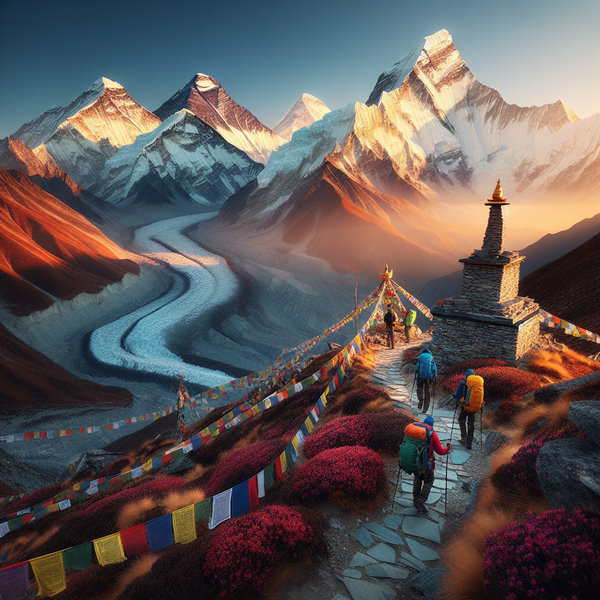
Spring is often seen as the ultimate time to visit Everest Base Camp. During this period, temperatures rise gradually, rhododendrons bloom, and visibility is spectacular. Days are long, with stable weather patterns, ensuring excellent trekking conditions. You may even encounter mountaineering expeditions preparing to summit Everest—an inspiring sight for many hikers.
- Pros: Clear views, vibrant trails, mild daytime temperatures.
- Cons: Busy routes, higher accommodation demand.
Autumn (September to November): The Rival to Spring
Autumn stands tall as another favorite trek time to Everest Base Camp. After the monsoon, the air becomes crisp and skies clear, offering extraordinary visibility. The trails are alive with trekkers from around the world soaking in the mesmerizing Himalayan panorama. The temperature remains comfortable during the day, though nights at higher altitudes can be cold.
- Pros: Excellent visibility, stable weather, less haze.
- Cons: Popular season, moderate trail congestion.
Winter (December to February): The Quiet Himalayan Escape
If solitude is your style, winter might be the time to go. The Everest Base Camp trek in winter offers peaceful trails and snow-dusted mountains. However, temperatures can plunge drastically, especially at night. Some high-altitude lodges close due to extreme cold, but for those prepared for the chill, the rewards include serene landscapes and a unique alpine charm.
- Pros: Minimal crowds, beautiful snow views.
- Cons: Cold weather, limited accommodation.
Summer/Monsoon (June to August): The Rainy Adventure
During the monsoon, trekkers often avoid the region due to heavy rainfall, landslides, and leeches on lower-altitude trails. However, it’s also a time when greenery comes alive, and rare moments of sunlight create magical scenes over the mountains. Monsoon trekking suits experienced hikers craving a more isolated adventure in the Himalayas.
- Pros: Fewer tourists, lush landscapes.
- Cons: Slippery trails, limited visibility.
Choosing the Best Trek Month: Pinpointing the Ideal Window
To narrow down when to go to Everest Base Camp, think of balance—between accessibility, weather, and experience. Spring offers color and life, while autumn delivers clarity and calm. Those prioritizing quiet trails may choose early winter, while adventurous souls might embrace the monsoon’s unpredictable beauty.
Ultimately, the best trek time aligns with your personal preferences. Whether you prioritize crystal-clear skies or tranquil paths, Everest has a season that suits your trekking personality.
Weather Patterns and What to Expect at Different Altitudes
The weather at Everest Base Camp is never constant—it shifts dramatically as you ascend. Lukla and Namche Bazaar often stay mild compared to the icy gusts at Gorak Shep near base camp. The temperature difference can be felt with every hour of your journey. Understanding this spectrum will help you pack wisely and set realistic trekking expectations.
- Lower altitudes (up to 3,000 m): Moderate days, cool nights.
- Mid-range altitudes (3,000–4,500 m): Crisp mornings, cold evenings.
- High altitudes (over 5,000 m): Freezing night temperatures, strong winds.
Additional Tips for Weather Preparation
- Always carry layered clothing to adjust quickly to temperature shifts.
- Keep rain gear ready during monsoon or unpredictable periods.
- Plan acclimatization days to avoid altitude sickness.
How the Best Trek Time Impacts Your Experience
Picking the right Everest Base Camp trek time enhances more than just your comfort. The lighting, wildlife visibility, and even local interactions vary throughout the year. For photographers, spring and autumn are paradise, while cultural explorers will love late autumn when local festivals take place in the Khumbu region.
Additionally, choosing a favorable season reduces travel risks, ensuring a smooth ascent and descent. Every season tells a different story—so choose the one that fits the adventure you want to live.
Looking for effective travel marketing services? Get in touch.
Insider Advice: Optimizing Your Everest Base Camp Adventure
Once you decide when to go to Everest Base Camp, preparation is key. Booking early during peak seasons ensures better lodging and guides. If trekking during off-peak months, confirm operational teahouses before you set out. And never underestimate the value of a flexible trekking itinerary—it allows for weather delays and acclimatization adjustments.
- Monitor local forecasts regularly before each hike.
- Start early in the morning for clear views and fewer trail crowds.
- Stay hydrated to counter high-altitude challenges.
Seasonal Highlights You Shouldn’t Miss
Each season adds something memorable to your Himalayan story. Spring brings carpets of flowers and vibrant landscapes. Autumn gifts you crimson sunsets and crystal horizons. Winter paints a serene, white silence over the mountains, while summer’s misty mornings make every view poetic. The Everest Base Camp trek is timeless, yet enriched by every season’s personality.
Final Thoughts: When Should You Go to Everest Base Camp?
The best time to go to Everest Base Camp ultimately depends on your trekking goals. For those seeking the ideal combination of weather, scenery, and trail accessibility, spring and autumn remain unbeatable. However, off-season adventurers will find peace and solitude unlike any other time of year. Whether you crave vivid skies or snowy silence, Everest awaits at its best when you step onto its legendary trail—well-prepared and perfectly timed.