Nicaragua, the land of volcanoes and lakes, is a destination that captures hearts with its natural elegance and wild beauty. Deciding when to visit Nicaragua can entirely shape your experience—from hiking active volcanoes to gliding across peaceful crater lakes. Let’s explore the best times and conditions for each adventure so you can plan a trip that fits your dream travel style perfectly.
Understanding Nicaragua’s Climate Before You Go
Before scheduling your journey, it’s crucial to understand Nicaragua’s two main seasons: the dry season and the wet season. Both offer unique charms and opportunities for exploration. The dry months bring endless sunshine, perfect for volcano hikes and lake excursions, while the wet months unveil lush jungles, fewer crowds, and cooler breezes in the highlands.
Average daytime temperatures hover around tropical warmth all year long, especially along the Pacific coast. This stability means the question isn’t if you should go—it’s when to go for the type of experience you want.
Best Time to Visit Nicaragua’s Volcanoes
The chain of volcanoes running through Nicaragua is a geological masterpiece. Exploring Masaya, Momotombo, or Cerro Negro offers vastly different sensations depending on the season. The dry months deliver clear visibility and well-maintained trails, perfect for photography and hiking. During the wet period, the volcanic slopes explode with greenery, providing a vivid backdrop for adventurers seeking dramatic scenery.
If your goal is climbing and witnessing molten activity under a clear sky, the dry months are unbeatable. But for solitude and vibrant landscapes, the rainy months can be incredibly rewarding too.
When to Visit Nicaragua’s Lakes
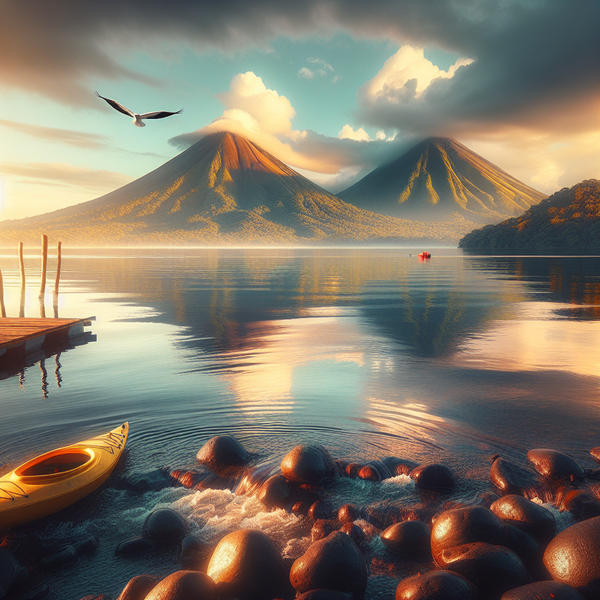
The country’s lakes—especially Lake Nicaragua and Laguna de Apoyo—offer year-round charm. For smooth waters and sunny kayaking conditions, the dry season is ideal. Crystal-clear mornings allow visibility deep into the lake’s blue interior, ideal for swimming and paddleboarding. In the wet season, these same lakes transform into serene escapes cloaked in mist, with cooler temperatures and fewer travelers.
Whichever time you choose, lakes in Nicaragua provide an unmatched balance between raw nature and peaceful retreat. Many travelers find early mornings the best for discovering local wildlife and enjoying mirror-like reflections on the water’s surface.
Combining Volcano and Lake Experiences
For travelers who want it all, combining both experiences is the true essence of Nicaraguan exploration. Picture summiting Cerro Negro in the morning and relaxing in the thermal waters of Laguna de Apoyo by sunset. The proximity of volcanoes to lakes makes it easy to design a balanced itinerary covering both adventure and tranquility.
Travelers often split their days between León’s volcanoes and the Masaya–Granada region, where the lakeside scenery offers comfortable lodges and eco-resorts. The best months to do both smoothly are those with moderate rainfall, offering bright skies and mild evenings.
Looking for effective travel marketing services? Get in touch.
What the Dry Season Offers Travelers
During Nicaragua’s dry months, the entire Pacific coast, including volcano regions like Ometepe and Mombacho, becomes a photographer’s paradise. The trails stay solid, sunsets glow golden, and outdoor adventures are at their peak. Cooler winds in the highlands make it comfortable for long hikes or cycling tours between volcano viewpoints.
This season is also bustling with local festivities, giving travelers a chance to mingle with communities and witness traditional dances under starlit skies. It’s an excellent time to capture Nicaragua’s essence in full color—both culturally and naturally.
Why the Wet Season Might Surprise You
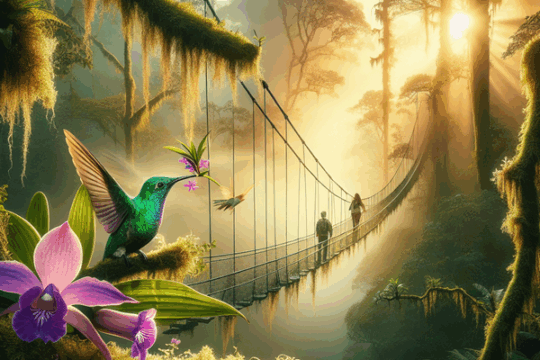
Although many travelers aim for the dry months, the green season often wins hearts quietly. Rain showers typically arrive in the afternoons, allowing morning explorations on volcano slopes or lake tours before the skies open. The moisture brings out fragrant blooms, cooler air, and emerald forests alive with birds and insects.
If you love photography or prefer fewer crowds, this is the ideal moment to visit. The landscape transforms into an enchanting green canvas, and the sight of steaming volcanoes against dramatic clouds is simply spectacular.
Regional Differences in Weather and Travel Conditions
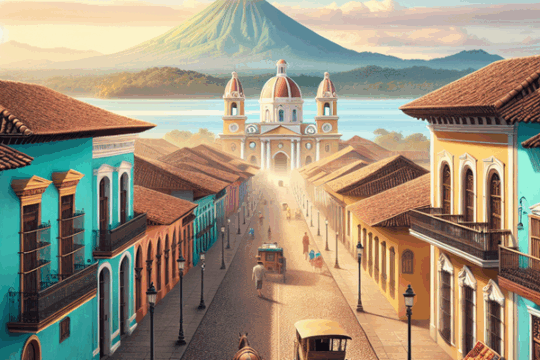
While most volcano and lake destinations lie in Nicaragua’s Pacific region, each area has its own rhythm. The North Central Highlands remain cooler throughout the year, while cities like León and Granada tend to be warmer and sunnier. Ometepe Island, sitting in the midst of Lake Nicaragua, experiences balanced weather due to constant breezes from the water.
Planning your itinerary with these microclimates in mind ensures comfort and efficiency. Mountain lovers and eco-travelers might prefer the misty freshness of Matagalpa, while those seeking sunbaked volcano adventures should focus southward toward the Pacific belt.
Festivals and Local Culture Around Volcanoes and Lakes
Volcanoes and lakes are not just natural wonders—they’re deeply rooted in Nicaraguan identity. Many local festivals are held near these sites, with traditional music echoing from the slopes, colorful markets, and lakefront parades celebrating community bonds. The dry months typically host major festivities, but smaller local celebrations continue throughout the wet season as well.
For travelers who wish to connect culturally, timing your visit with one of these festivals provides unforgettable interactions. You’ll see how locals honor Mother Earth through rituals that often take place beside water or volcano craters, reinforcing the deep symbiosis between people and nature.
Looking for effective travel marketing services? Get in touch.
Eco-Tourism and Responsible Travel Timing
Choosing when to visit Nicaragua also plays a role in responsible tourism. Traveling during shoulder months helps balance the flow of visitors and supports local communities year-round. These times are perfect for sustainable travelers who wish to minimize impact while enjoying fewer crowds and better deals.
- Support small eco-lodges around lakes and volcano bases.
- Engage in guided tours that promote conservation.
- Choose local food markets, especially during harvest seasons.
Responsible travel ensures that Nicaragua’s fragile volcanic environments and abundant freshwater lakes remain pristine and thriving for generations to come.
Adventure Planning Tips for Volcano and Lake Lovers
Whether hiking up steep black lava deserts or diving into cooling lagoons, preparation makes a difference. Always check current trail conditions, especially after rainfall. Pack layers—mornings near the lakes can be cool, while volcano summits might expose you to intense sun. Local guides are invaluable for understanding geology and legends behind each mountain and lake.
The combination of water and fire elements across Nicaragua’s geography ensures every visit feels magical, but the timing and pacing will enhance that magic tenfold.
Final Thoughts: Plan Your Perfect Nicaraguan Moment
Knowing when to visit Nicaragua is more than just checking the forecast—it’s about understanding what moves you most. Do you crave the vivid blues of the dry season, the vibrant greens of the rainy months, or the cultural pulse running through both? Each period unlocks a new side of Nicaragua, offering unspoiled landscapes, welcoming people, and moments that feel timeless.
Prepare wisely, travel consciously, and let the pattern of volcanoes and lakes guide your rhythm. Nicaragua’s energy flows year-round; all that’s left is to choose the moment that matches yours.