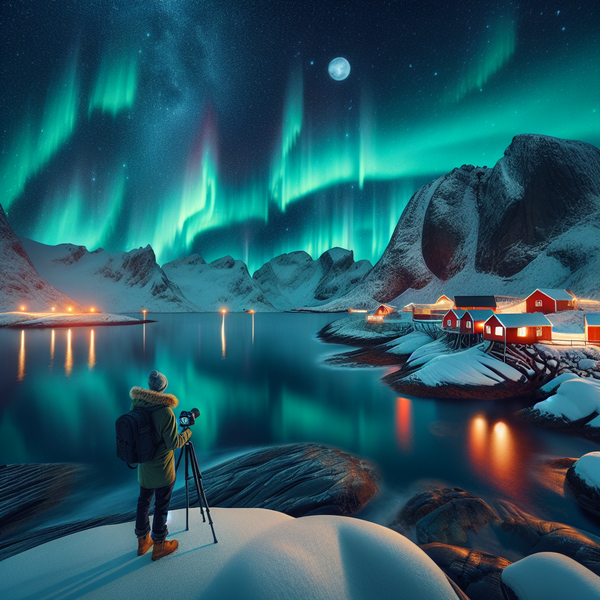
Imagine standing under a dark Arctic sky as ribbons of green, pink, and purple swirl above you. The Northern Lights in Norway are one of the most magical natural displays on Earth, and timing your trip just right is the key to witnessing them. This guide reveals exactly when to visit Norway for Northern Lights, along with insider tips, ideal locations, and what else to expect during this unforgettable experience.
Understanding the Northern Lights Phenomenon in Norway
The Northern Lights, or Aurora Borealis, occur when charged particles from the sun collide with gases in Earth’s atmosphere, creating shimmering lights across Arctic skies. Norway’s northern regions are perfectly positioned inside the Aurora Zone, offering some of the world’s most consistent aurora activity. The best time to see them isn’t just about dates—it’s also about darkness, weather, and solar cycles.
When to Visit Norway for Northern Lights
The optimal time to visit Norway for Northern Lights is during the dark winter months, when nights are longest and skies are clearest. From late September to early April, conditions are ideal across Northern Norway, especially in Tromsø, Alta, and the Lofoten Islands. While auroras can technically occur year-round, summer’s bright nights make them invisible to the eye.
Best Months to See the Northern Lights in Norway
Each month offers a slightly different experience, with varying weather, daylight, and aurora frequencies. Here’s what to expect throughout the main viewing period:
September and October: Early Aurora Season
Autumn marks the start of the Northern Lights season in Norway. Nights grow darker, and mild temperatures make for comfortable viewing. Reflections of the aurora on lakes create breathtaking photographs. However, occasional rainfall means clearer skies may not always be guaranteed.
November to January: Peak Aurora Months
These are the ultimate months for seeing strong aurora activity. During the Polar Night period, northern regions experience up to 24 hours of darkness, giving you endless opportunities to witness the lights. Bundle up, as temperatures drop significantly, but the experience is worth every shiver.
February to March: Late Winter Magic
As daylight begins returning, snow-covered landscapes become stunning backdrops for aurora viewing. You’ll also find ideal conditions for combining a Northern Lights trip with winter adventure activities like dog sledding, skiing, or snowmobiling. The balance of dark skies and improved weather makes this period one of the best times to go.
Where to See the Northern Lights in Norway
Choosing the right destination can make a big difference. Norway offers many viewing spots above the Arctic Circle, each with its own charm:
- Tromsø – Known as the “Gateway to the Arctic,” Tromsø combines city comfort with spectacular Aurora displays.
- Alta – A quieter spot with clear skies, perfect for travelers who prefer serenity and less light pollution.
- Lofoten Islands – Dramatic mountains and sea views make Lofoten one of the most photogenic Northern Lights destinations.
- Svalbard – An adventurous alternative for those seeking extreme Arctic experiences under unique twilight skies.
How Weather Affects the Northern Lights in Norway
While solar activity creates auroras, weather determines whether you see them. Clear nights are crucial, as cloud cover can block visibility. Coastal areas often experience milder climates but occasional cloudy conditions, whereas inland regions tend to have clearer skies. Check daily forecasts and local aurora alerts before heading out.
Understanding Daylight and Darkness in Norway’s Arctic Regions
Daylight plays an important role when planning when to visit Norway for Northern Lights. In summer, the Midnight Sun keeps skies bright around the clock—beautiful, but not ideal for aurora viewing. In winter, the Polar Night brings nearly 24 hours of darkness, offering perfect conditions for aurora chasing. The best balance between daylight and darkness typically occurs from late autumn to early spring.
Tips for Maximizing Your Northern Lights Experience
Even with the right timing, a little preparation ensures a successful viewing adventure. Follow these practical tips to make the most of your trip:
- Stay multiple nights: Aurora activity varies daily; the more nights you spend, the better your chances.
- Stay flexible: Clear skies can appear unexpectedly, so be ready to head out at a moment’s notice.
- Use an Aurora app: Download a reliable app to track solar activity and local cloud cover.
- Dress properly: Winter nights are cold—wear multiple layers, insulated boots, and warm gloves.
- Bring proper gear: A tripod and manual camera settings will help capture those dancing colors perfectly.
Alternative Activities While Waiting for the Northern Lights
Norway is full of winter wonder beyond the aurora. Embrace daytime adventures such as reindeer sleigh rides, snowshoe hikes, and visiting Sami cultural camps. In Tromsø, you can even meet huskies or chase fjord views under pastel Arctic skies. These activities enhance your journey and make any night without auroras just as memorable.
Looking for effective travel marketing services? Get in touch.
Ideal Places to Stay for Northern Lights Chasing
Many accommodations across Northern Norway are designed specifically for aurora enthusiasts. Glass igloos, cozy cabins, and mountain lodges provide clear-sky views right from your bed. Whether you prefer remote wilderness stays or city-based hotels, ensure your accommodation offers late-night wake-up calls for aurora sightings.
How to Photograph the Northern Lights in Norway
Capturing the aurora’s beauty requires patience and the right technique. Use manual settings to keep ISO low, exposure long, and focus set to infinity. Avoid light pollution by moving a few kilometers away from towns. Some local tours also include photography guidance to help you achieve stunning results.
Practical Travel Advice for Your Norway Northern Lights Trip
Northern Norway is well-connected thanks to flights, trains, and ferries. Tromsø, in particular, offers easy access to aurora hotspots and organized excursions. Pack warm clothing, check local forecasts, and plan slow travel—it’s part of the charm. With a balanced itinerary, you can fully enjoy both daylight adventures and night-time aurora hunts.
Conclusion: The Best Time to Visit Norway for Northern Lights
So, when is the best time to visit Norway for Northern Lights? The months between late September and early April offer the greatest potential. Aim for clear nights, stay flexible, and embrace the Arctic’s calm beauty. Whether you see green curtains ripple over Tromsø or pink streaks dance above the Lofoten Islands, witnessing the Northern Lights in Norway is more than a trip—it’s a lifelong memory.